

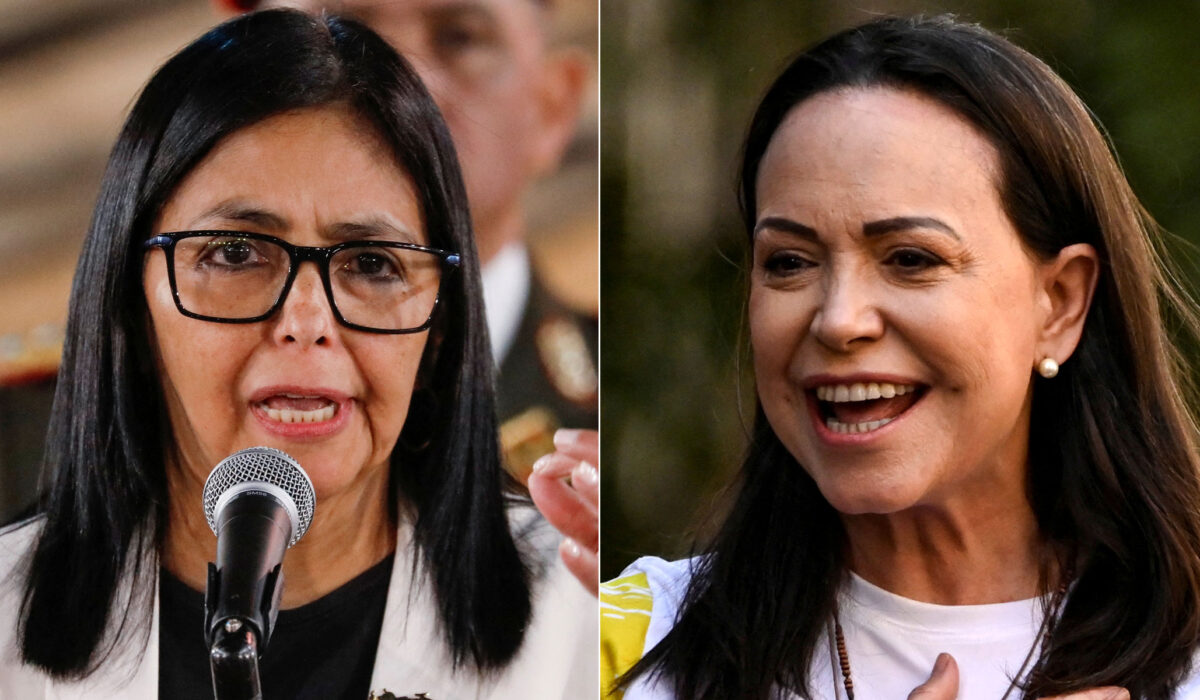
Venezuela’s Choice: Rodríguez’s Edge Now, Machado’s Better Long-Term Bet
Acting President Delcy Rodríguez holds the clear early advantage in the political fight, thanks to control of state institutions and a consolidated power network. That advantage comes from incumbency, tight media access and security forces loyal to the regime. Observers should not mistake short-term control for sustainable governance.
María Corina Machado represents a different path rooted in democratic renewal and economic recovery. Her platform centers on restoring institutions, opening markets and reintegrating Venezuela with the region. For voters tired of scarcity and repression, that message is powerful.
Rodríguez’s lead is not accidental; it is engineered. The ruling apparatus manages electoral timelines, messaging and law enforcement in ways that favor incumbents, while patronage networks keep key constituencies aligned. That structural tilt raises questions about fairness before ballots are even cast.
Machado’s advantage comes from credibility with citizens and with international actors who prefer clear commitments to democracy and markets. She speaks directly about rule of law, private enterprise and the need to roll back state capture. Those positions attract investors, the diaspora and voters seeking a return to normalcy.
From a Republican perspective, the international response should prioritize pressure and principled engagement aimed at free, transparent elections. Sanctions and diplomatic isolation have been tools to push the regime, but leverage should be calibrated to protect the Venezuelan people while penalizing bad actors. Supporting civil society and election monitors is part of a durable strategy.
The economic contrast between the two camps is stark. Rodríguez signals continuity of statist policies that produced hyperinflation, capital flight and collapsing public services. Machado promises pragmatic reforms: secure property rights, fiscal responsibility and incentives to revive oil and non-oil sectors.
Security and justice are central to any transition. Under Rodríguez, security forces have been instruments of control rather than public safety, and impunity remains widespread. Machado has emphasized rebuilding independent courts, depoliticizing the police and holding officials accountable, which matters for investor confidence and everyday security.
Transition risks will be real regardless of the electoral result. Institutions are fragile, information environments are distorted and the temptation to use force or legal maneuvers to stay in power is present. That reality means any path forward needs robust international observation and contingency planning to prevent violence and ensure a transfer of authority.
Policy priorities for a Machado administration would likely include stabilizing the currency, reforming the oil industry to attract foreign capital, clearing the legal path for private enterprise and repatriating Venezuelans abroad through job creation. Anti-corruption measures and transparent management of revenues will be essential to rebuild trust and fund public services. These are long-haul tasks that require political will and administrative competence.
The immediate advantage enjoyed by Rodríguez matters for how the next months play out, but long-term recovery depends on foundations Machado or any successor can lay. Restoring basic services, renewing economic confidence and rebuilding institutions takes time and disciplined policy. The choices made now will shape opportunities for a generation of Venezuelans who want dignity, security and prosperity.