

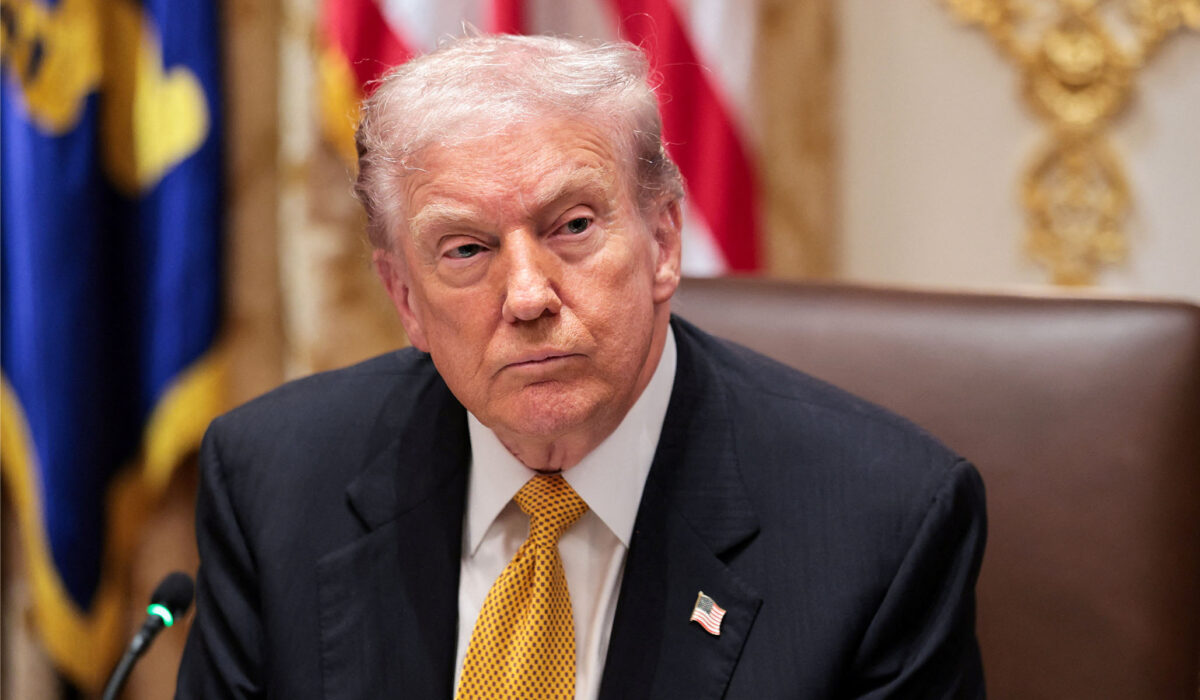
The Falling Numbers: What Republicans See and Why It Matters
The downward trend in the president’s numbers is consistent and alarming.
Republican observers are not surprised by steady slides in approval. When numbers move down over months, it exposes weaknesses in strategy, messaging, and execution. This is about political accountability, plain and simple.
Start with the basics: voters respond to their daily lives. When gas, groceries, and home costs feel out of reach, the message from any White House gets harder to sell. Conservatives point to this as a test of policy competence and communication.
Second, leadership matters in a way polls capture. Steady declines often reflect a gap between what a president promises and what people experience. For Republicans that gap becomes an argument for clearer priorities and more results-driven governance.
Third, coalition erosion is real and costly. Losing swing voters in suburbs, independents, or skeptical working-class districts shows up in the numbers. The GOP view sees this as a warning: keep your coalition disciplined and focused on pocketbook issues.
Fourth, messaging mistakes compound quickly. Mixed signals from different officials, or a refusal to own mistakes, creates a narrative vacuum that opponents and media fill. From a Republican angle, consistent, plainspoken messaging beats muddled talking points every time.
There are structural considerations too that no poll fully explains. Sampling, timing, and news cycles all affect daily snapshots, but persistent trends over weeks and months tell a clearer story. Republicans stress the difference between a spike and a trend when arguing strategy.
Foreign policy and security issues also play into public mood. Voters expect steady hands and clear aims when overseas crises flare. The right-wing perspective frames any perceived hesitation as leadership risk and a reason for drifting approval.
Congressional dynamics can amplify the problem or mask it. When divided government creates gridlock, voters often blame the president for things they see going wrong. Conservatives argue that showing results through legislation or executive clarity is the fastest corrective.
Party unity is another factor that polls notice indirectly. Infighting or public disagreements within the president’s own party make the administration look weaker. From a Republican view, discipline and a clear agenda limit damage and keep voters confident.
Finally, the political calendar matters: upcoming primaries, midterms, and local races react to national trends. A steady slide pressures campaign teams to adjust tactics, messaging, and outreach. For Republicans this is a chance to sharpen contrasts and present an alternative that focuses on security, the economy, and practical solutions.