

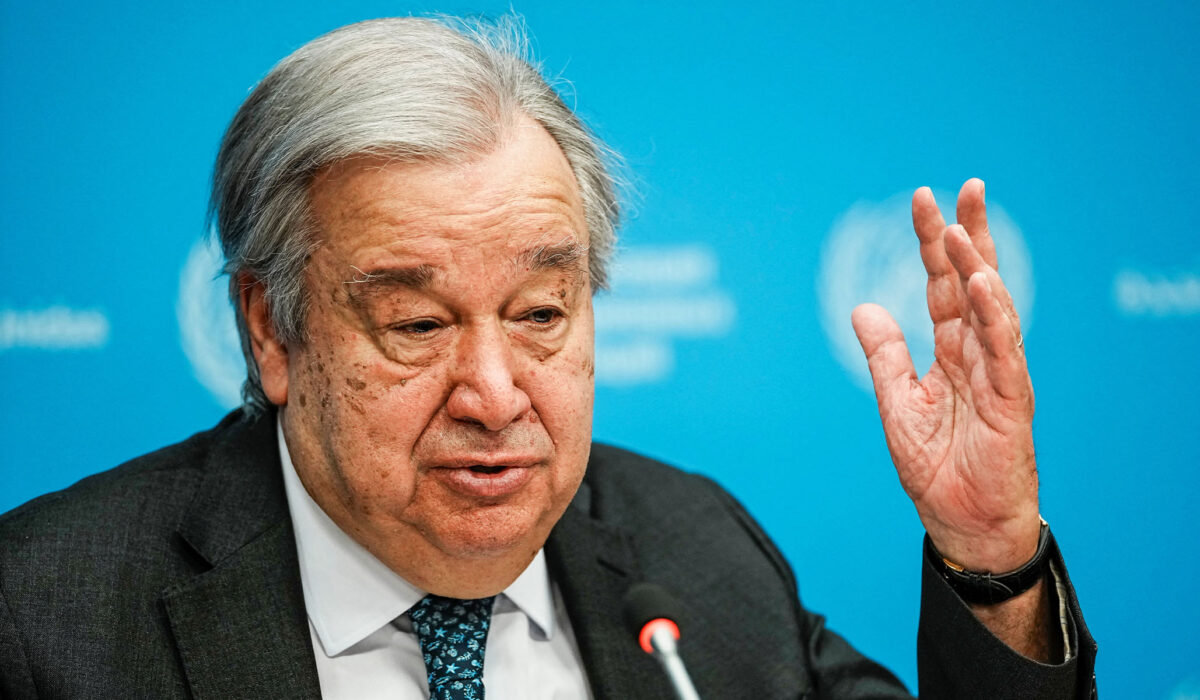
U.N. Response to the Iran Strikes: Ritual Over Consequence
Its response to the Iran strikes shows that going through the motions matters more to today’s U.N. than accountability and consequence.
The reaction out of New York was predictable: statements of concern, calls for restraint, a loop of diplomatic language that avoids hard choices. Those words sound serious until you realize they carry no teeth and no real pressure on the actors who carried out the strikes.
From a Republican viewpoint this is not a foreign policy flaw; it is a pattern. The U.N. has become a stage for moral posturing, while state actors that violate international norms feel emboldened because they seldom face meaningful repercussions.
Security Council meetings produce headlines, not outcomes, because key players can block action with vetoes or delay. That structural problem lets aggressive states exploit the forum while democracies wring their hands and issue carefully balanced statements.
Accountability requires consequences, and consequences mean taking actions that raise costs for bad behavior. That could include targeted sanctions, concerted diplomatic isolation, or support for partners who can defend themselves without needing U.N. permission for every step they take.
Too often the U.N. route becomes a distraction from tools that actually change behavior. Republicans argue for a tougher posture: use U.N. statements to set the record, then back them with tangible measures led by capable states and coalitions.
Ineffective multilateral ritual also undermines credibility at home. If the American public sees the world body apologize for violence but fail to back its words, faith in institutions erodes and adversaries learn they can act with impunity.
Some defenders of the system say diplomacy must always come first and that even weak condemnations matter. Diplomacy matters, but not when it replaces deterrence or becomes the default response to flagrant attacks.
History shows that restraint without a credible threat of punishment invites more aggression, not less. A forum that limits itself to paper rebukes creates an incentive structure that rewards the bold and punishes the cautious.
Practical steps matter. The U.N. can still serve a useful role by documenting violations, coordinating humanitarian relief, and creating legal records, while willing states take the harder steps needed to enforce international norms.
That means allies must be ready to act outside of U.N. unanimity when necessary, to enforce sanctions and to strengthen defensive capabilities among partners. It also means exposing bad actors publicly and ensuring their actions carry real diplomatic and economic costs.
Blind faith in institutional ritual is no substitute for strategy, and ritualism risks normalizing violence. From a conservative standpoint, the priority should be protecting citizens and allies, not preserving an image of international unity at the expense of security.
The U.N. can still be useful if it stops pretending that words alone resolve crises. If it wants to matter, it should be paired with decisive action led by nations willing to back statements with results.