

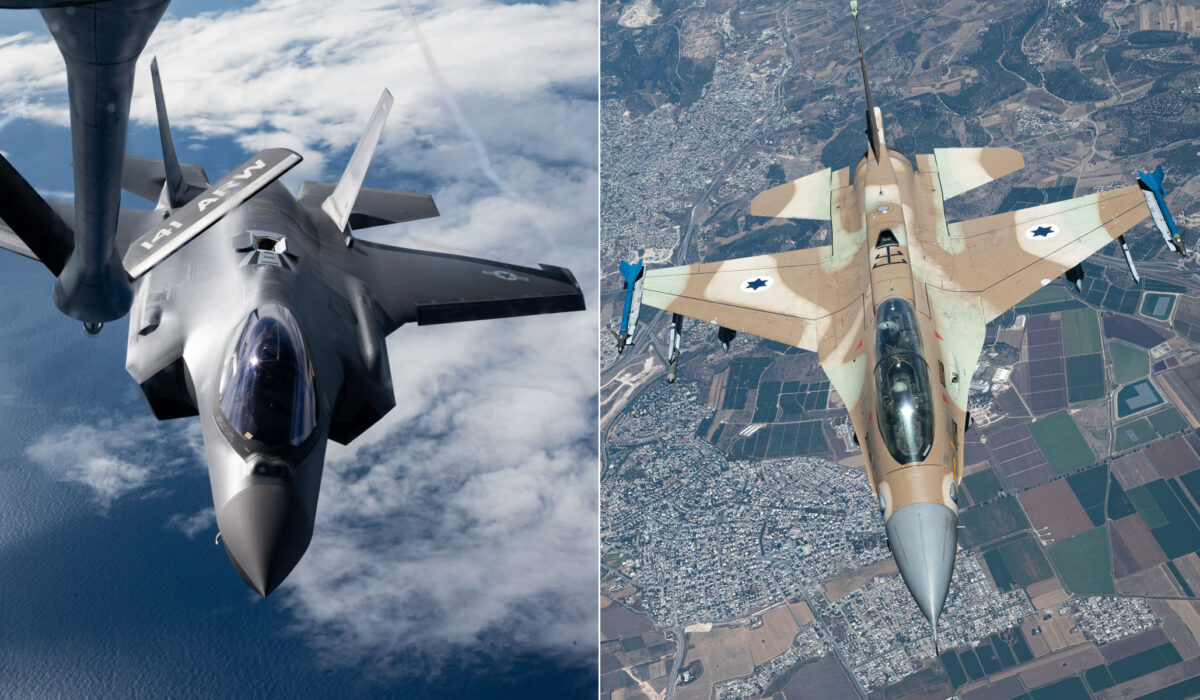
Israel’s Rise as the Region’s Dominant Military Power
Israel has emerged as the Middle East’s preeminent military power just as the U.S. seeks to reduce its permanent footprint in the region. That shift changes how Washington projects power and how allies plan for their own security. It also forces a rethink of strategy, burden sharing, and deterrence.
For decades the U.S. carried the bulk of regional security responsibilities, providing bases, airpower, and rapid reinforcement. As political will to sustain that posture wanes, Israel’s advanced capabilities have come to the fore. Those capabilities are not theoretical; they include air superiority, missile defense, precision strike options, and top-tier intelligence.
Israel’s defense investments are pragmatic and results-driven, and they show in readiness and operational experience. Years of conflict and continuous threats forged a force that trains for real contingencies and adapts quickly. That operational edge matters more when American boots are less visible.
Deterrence is more credible when backed by clear capability and a track record of action. Israel’s willingness to strike at threats beyond its borders complicates adversary calculations. When enemies know a credible response is likely, escalation is less attractive.
The U.S. still brings unique strengths: global logistics, long-range power projection, and nuclear deterrence. But those strengths are expensive to deploy continuously, and domestic priorities push policymakers to limit forward presence. The result is a greater reliance on regional partners like Israel to hold the line.
That reliance shifts responsibility onto Israel and its neighbors to manage local security dynamics. It also reshapes how the U.S. secures its interests—favoring flexible cooperation, intelligence sharing, and arms sales over permanent bases. In practice, that means closer interoperability and more politically calibrated military aid.
Iran and its proxy network remain the central strategic challenge in the region. Israel’s capability to counter missile barrages, disrupt supply lines, and target proxy infrastructure is a counterweight to Tehran’s ambitions. But capability alone cannot eliminate the asymmetric threats that thrive in permissive environments.
Regional balancing will require more than air strikes and missile defense systems. Diplomatic pressure, economic tools, and coordinated intelligence efforts must complement military strength. Those non-kinetic elements matter when permanent U.S. presence is reduced and adversaries exploit gray zones.
The dynamics also create opportunities for deterrence partnerships with other regional states that fear the same threats. Israel’s operational competence combined with shared intelligence can produce tailored security architectures. Those architectures must be clear about red lines and rules of engagement to avoid miscalculation.
There are risks in overburdening any single partner. Expecting Israel to substitute for U.S. global power projection ignores limitations in reach and political calculus. Washington must calibrate expectations and provide the tools and diplomatic backing that let partners deter without becoming isolated targets.
Congressional oversight and defense budgeting choices will shape how deep this transition goes. Prioritizing long-range strike, air defense, and munitions stockpiles keeps options open without committing to vast permanent deployments. Smart investments protect U.S. interests while letting capable allies shoulder a greater portion of regional security.
In short, Israel’s military rise is real and consequential, and it arrives as the U.S. narrows its footprint. The right approach is straightforward: enable capable partners, maintain decisive strategic options, and use diplomacy to multiply military effects. That mix preserves influence and prevents enemies from filling any vacuum.