

U.S. Readiness and the EU’s Posture in Europe
Across capitals in Europe there’s a lot of chest-puffing from Brussels and some national leaders who like to talk toughness without backing it up. From a Republican perspective, the United States sees that posturing for what it is and is prepared to act where American interests and NATO commitments are at stake. That willingness to take a fighting stance in Europe reflects a mix of reality, calculation, and deterrence.
First, the strategic case is straightforward: Russia remains a real threat on NATO’s borders and the U.S. must be credible to deter aggression. Credibility comes from posture, presence, and clarity about consequences, not from press releases or theatrical statements. When words are cheap, the U.S. leans on capability.
Second, burden-sharing matters, and Republicans have long argued that allies need to carry more of the load. European defense spending has improved, but capability gaps persist in areas like heavy logistics, munitions stockpiles, and rapid reinforcement. Washington’s tougher posture is also leverage to push partners toward meaningful commitments rather than symbolic gestures.
Third, posture is about more than troops on the ground; it’s about industrial strength and readiness at home. A healthy defense industrial base, steady procurement, and realistic training cycles underpin any credible forward stance. Without those, bluffing turns into risk-taking and that’s not a strategy conservatives support.
Fourth, public messaging matters but must match actions. When the U.S. warns of consequences, it must have the means and will to follow through — and allies must understand that American resolve is deliberate, not reflexive. That discipline helps avoid miscalculation while signaling to adversaries that deterrence is active.
Fifth, diplomacy and economic tools remain vital but do not replace deterrence by force. Sanctions, trade penalties, and diplomatic isolation can hurt an aggressor, yet bad actors often probe weaknesses and timelines; the military part of the toolkit fills those gaps. A Republican view tends to prioritize a strong defense posture to support diplomatic pressure.
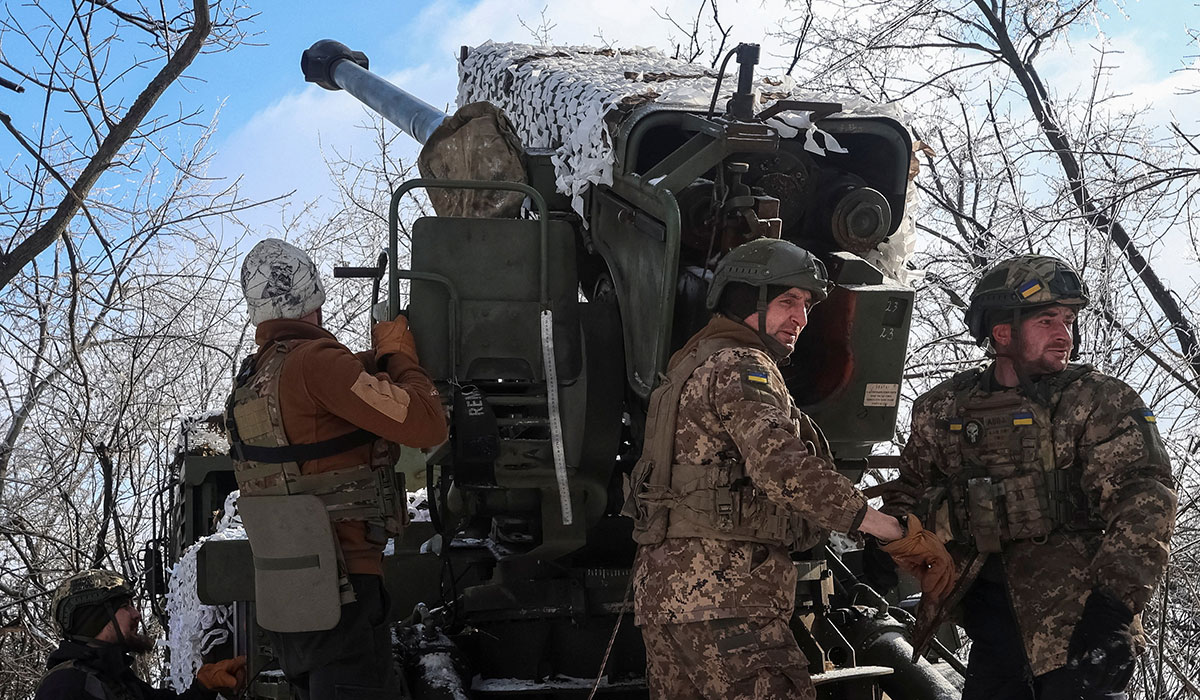
Operationally, the U.S. posture includes forward presence, rotational forces, joint exercises, and contingency plans that are regularly updated. Those moves are meant to complicate an opponent’s calculations and reassure eastern allies who live closest to the threat. They also send a clear signal to leaders in Brussels that words need teeth.
Taking a firmer stance in Europe does carry risks, but risk is part of deterrence — not a reason to step back. The goal is to maintain peace through strength, keep NATO unified, and push European partners to match rhetoric with real capabilities. That balance of resolve and shared responsibility is the backbone of a responsible Republican approach to security in Europe.