

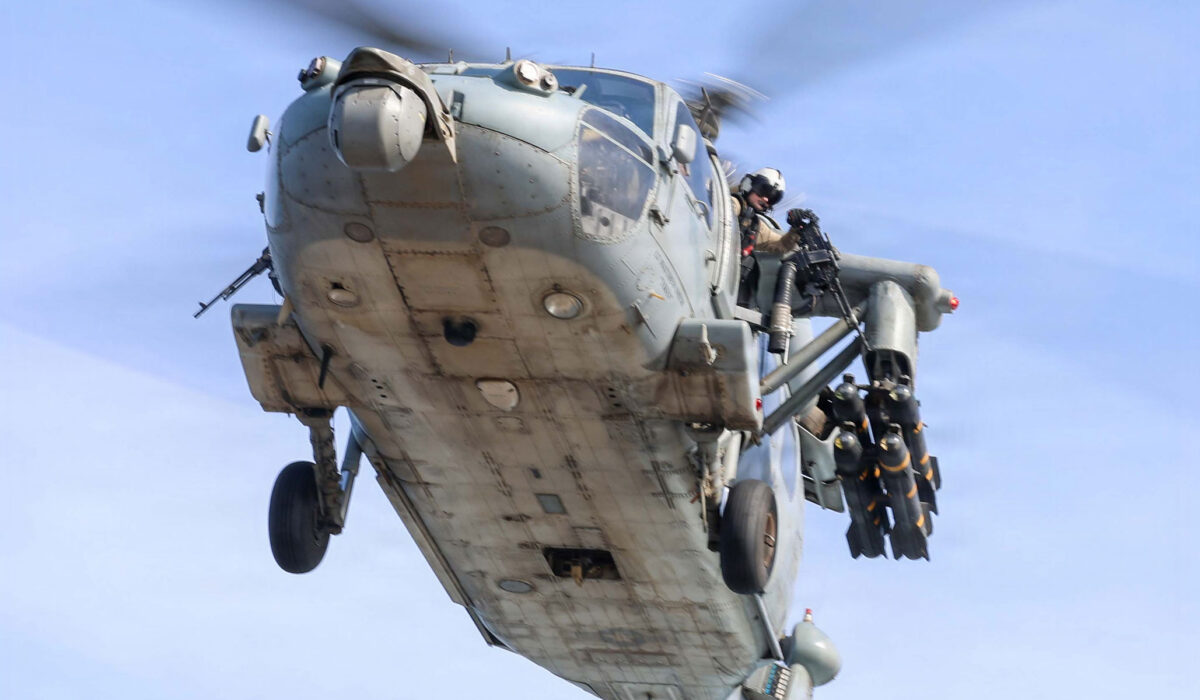
Easter Morning Rescue: U.S. Forces Recovered a Downed Pilot from Deep in Iranian Territory
On Easter morning, U.S. forces rescued a downed pilot from the middle of Iranian territory, advancing America’s tactical and strategic position. That short sentence captures a bold action that combined speed, precision, and political consequences. The operation sent a clear signal about U.S. resolve and capability in a risky neighborhood.
The rescue was classic American military tradecraft: rapid search, targeted recovery, and secure extraction. Executing that sequence inside hostile airspace is exactly what separates capable forces from hopeful ones. From a Republican perspective, it also reinforced the necessity of a strong, well-funded military that can act decisively when lives and national interests are on the line.
Recovering a pilot in enemy territory matters for more than headlines; it preserves the most valuable asset any military has: its people. Troops who know they will not be left behind fight harder and make tougher choices in the heat of battle. Politically, it reassures allies and warns adversaries that U.S. commitments are real and enforceable.
The tactical gains are obvious: boots-on-ground intelligence, validation of rescue techniques, and a test of command-and-control under pressure. Each successful mission improves doctrine and training for future conflicts. That feedback loop is essential when dealing with adversaries who test boundaries regularly.
Strategically, the rescue shifted the balance in several subtle but important ways. It undermines the credibility of any adversary believing they can act with impunity inside their own territory. It also complicates Tehran’s calculations by showing U.S. reach and willingness to operate where others hesitate.
On the diplomatic side, actions like this do not exist in a vacuum. They affect negotiations, sanctions leverage, and regional partnerships. From a conservative viewpoint, tough, precise actions often yield better terms at the negotiating table than rhetoric or appeasement.
This was not a publicity stunt; it was a mission with real stakes and real risk. Men and women involved faced hostile conditions, and their success depended on training, equipment, and clear rules of engagement. When the mission succeeds, it validates ongoing investment in capabilities that most citizens never see.
Critics will ask about escalation risks, and that is a fair concern. Responsible force employment means weighing gains against potential responses, and commanders likely assessed those trade-offs before acting. A Republican take prefers that calculus to err on the side of protecting service members and American interests rather than showing timidity.
The operation also has internal military impacts: lessons learned, after-action reviews, and updates to tactics, techniques, and procedures. These improvements ripple through units and become the backbone of future mission planning. Continuous learning ensures that one successful rescue becomes the baseline for an even better response next time.
On the home front, stories like this matter to the public and to the men and women in uniform. They remind citizens that deterrence is not passive and that readiness requires people, platforms, and political support. For policymakers, it argues for funding that keeps capabilities credible and available when crises hit.
Finally, the Easter rescue stands as both a moral and practical statement: American forces will act to recover their own, and they will do so with professionalism. That combination of conviction and competence is central to national defense. The operation reshaped a moment in the region and underscored why maintaining military strength matters.