

Marines in Art: How America’s Land, Air, and Sea Force Inspires Creators
America’s unique land, air, and sea force has a long, vivid history that artists keep returning to for inspiration. Painters, photographers, sculptors, and illustrators have all tried to capture the grit, ritual, and spectacle of Marines in service. That attention has produced images that shape how the public sees the Corps.
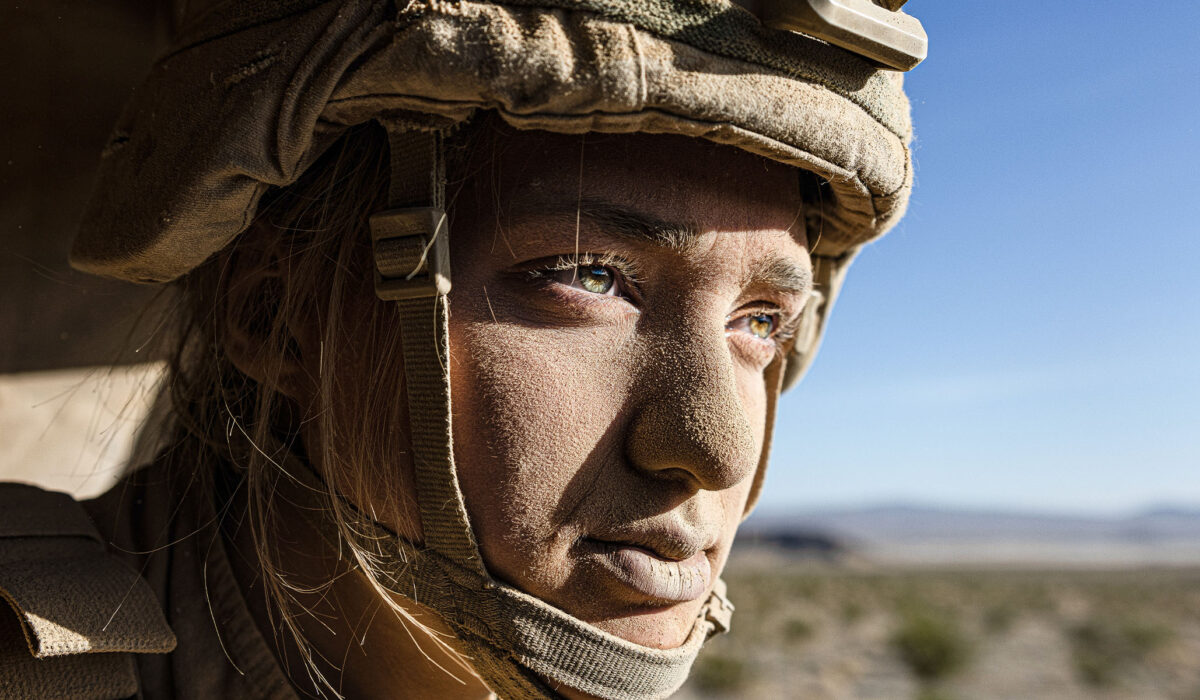
Founded in 1775, the Marine Corps was built to move fast and fight wherever needed, and that mobility shows up in art as motion and tension. Artists have used small details like mud on boots or the sheen on aircraft to tell bigger stories about courage and sacrifice. Those visual cues help viewers read a scene without needing a caption.
Recruitment posters and patriotic prints established early visual themes: resolve, brotherhood, and forward motion. Those themes became shorthand for service and duty, recycled across wars and decades. The result is a visual language many people immediately recognize.
Official war artists and independent creators documented campaigns from early conflicts through modern operations, bringing frontline moments into galleries and newspapers. Sketches and field paintings offered immediate impressions that later photographs and film would echo. Together, these works form a layered record of combat, downtime, and everything between.
Photography turned those sketches into stark reality with candid scenes and high-stakes moments made permanent. Photojournalists have framed individual faces as well as broad amphibious landings, giving viewers both intimacy and scale. Powerful images can alter public opinion and preserve personal histories at once.
Illustrators and fine artists added narrative and symbolism, bending realism toward myth when a story needed heightening. They emphasized posture, light, and composition to make moments iconic rather than merely documentary. That approach helped create the iconography that civilian audiences now recognize instantly.
Sculpture and memorials translate two-dimensional art into public memory, encouraging viewers to walk around figures and feel the weight of events. The most famous memorial captures a single flag-raising moment and turned it into a national symbol of perseverance. Monuments like that anchor images in shared space and collective memory.
Marine life has also influenced smaller-scale art forms like patches, pins, and tattoos, which carry personal meaning for service members. These designs are portable, showing allegiance and identity beyond parade grounds and war zones. They’re a form of storytelling that travels with the people who wear them.
Artists don’t ignore the technical elements either: aircraft carrier decks, rotor wash, and landing craft provide dramatic shapes and textures that invite artistic exploration. Depicting machines in motion helps convey the combined arms character of the Marines’ missions. That technical detail makes scenes believable and exciting.
Museums, veterans’ groups, and private collections preserve these works and make them available to new audiences. Exhibitions can pair art with oral histories, giving visitors both visual and spoken perspectives on the same events. That pairing deepens understanding and keeps stories relevant.
Contemporary creators include veterans who use art as therapy and as a way to translate service experiences into forms civilians can approach. Their pieces often mix realism with abstraction to communicate memory, trauma, and resilience. These works expand the conversation about what service looks like off the battlefield.
Art about Marines shapes public perception, whether in recruitment material, blockbuster imagery, or a quiet painting in a local museum. The creative output reminds people that military service is human work marked by routine, danger, and extraordinary moments. Those images keep the Corps visible in the national imagination.