

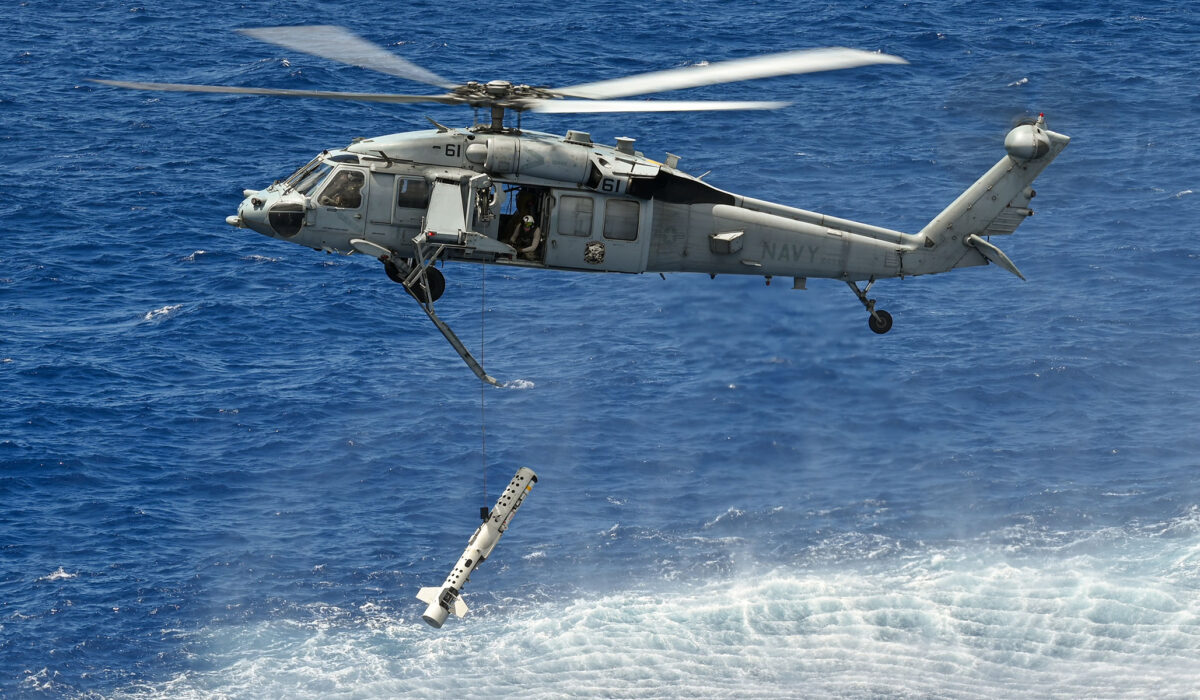
A Better Path for Mine Countermeasures
Despite claims to the contrary, dilapidated minesweepers were never the answer. Relying on aging hulls and dated gear exposes sailors and shipping lanes to unacceptable risk. The problem is not nostalgia for ships but a hard look at capability gaps that need modern solutions.
The condition of older minesweepers undermines effectiveness at a time when naval mines are cheaper and more sophisticated. Mechanical failures, obsolete sensors, and limited data links reduce mission success rates. That combination makes a risky trade: preserve old platforms and accept lower survivability, or invest in updated systems that actually work.
Maintenance bills climb as hulls fatigue and spare parts vanish from production lines. Time in shipyards eats fleet availability, and surge requirements reveal how brittle the posture can be. Without reliable vessels, commanders lose options for sea control and safe passage operations.
Modern mine warfare shifts the emphasis from crewed sweepers to layered approaches that include unmanned systems and advanced detection. Autonomous surface and subsea vehicles can operate in higher-risk areas without putting sailors directly in harm’s way. These tools also gather richer data, improving clearance planning and reducing false positives.
Sensor upgrades matter more than simply keeping old ships afloat. Synthetic aperture sonar, improved magnetic and acoustic sweep systems, and better command-and-control links deliver faster, more accurate results. Investing in these technologies produces force multipliers that older hulls cannot match.
Training and doctrine need to change alongside equipment. Crews must learn to operate and integrate unmanned assets, analyze sensor feeds, and coordinate with allied navies that may have different standards. A modernized curriculum reduces operational friction and maximizes the advantages of new tools.
Procurement choices should prioritize adaptability and sustainment over one-off, short-term fixes. Modular payloads and open architectures let platforms accept upgrades without costly overhauls. That flexibility stretches budgets and keeps capabilities relevant against evolving mine threats.
Allies and partners play a critical role in mine countermeasures. Shared exercises, data exchange, and coordinated procurement lower per-nation costs and expand regional capacity. Interoperability ensures that combined fleets can clear chokepoints quickly when crises arise.
Cost arguments that favor patching old ships often ignore lifecycle expense and operational risk. Buying a short-term fix can create long-term liabilities that are harder to scramble against. Smart spending targets systems that reduce risk, save time in ports and sea lanes, and protect commercial traffic.
Policymakers should demand transparent assessments that compare continuing to shore up old minesweepers with investing in new approaches. Clear metrics for availability, detection probability, and crew safety help justify budgets and clarify trade-offs. Decision makers need evidence, not just faith in legacy solutions.
Industry has a role in accelerating fielding of effective mine countermeasures through rapid prototyping and iterative testing. Public-private partnerships can shorten development cycles and get proven tools into operation faster. That practical pace matters in a threat environment that moves quickly.
Updating mine countermeasure posture is not just about hardware, it is about taking risk seriously and aligning resources to reduce it. Keeping broken or obsolete ships on station because of tradition or sunk costs leaves gaps that adversaries can exploit. The time to shift to resilient, modern options is now, and the technical path is clear.