

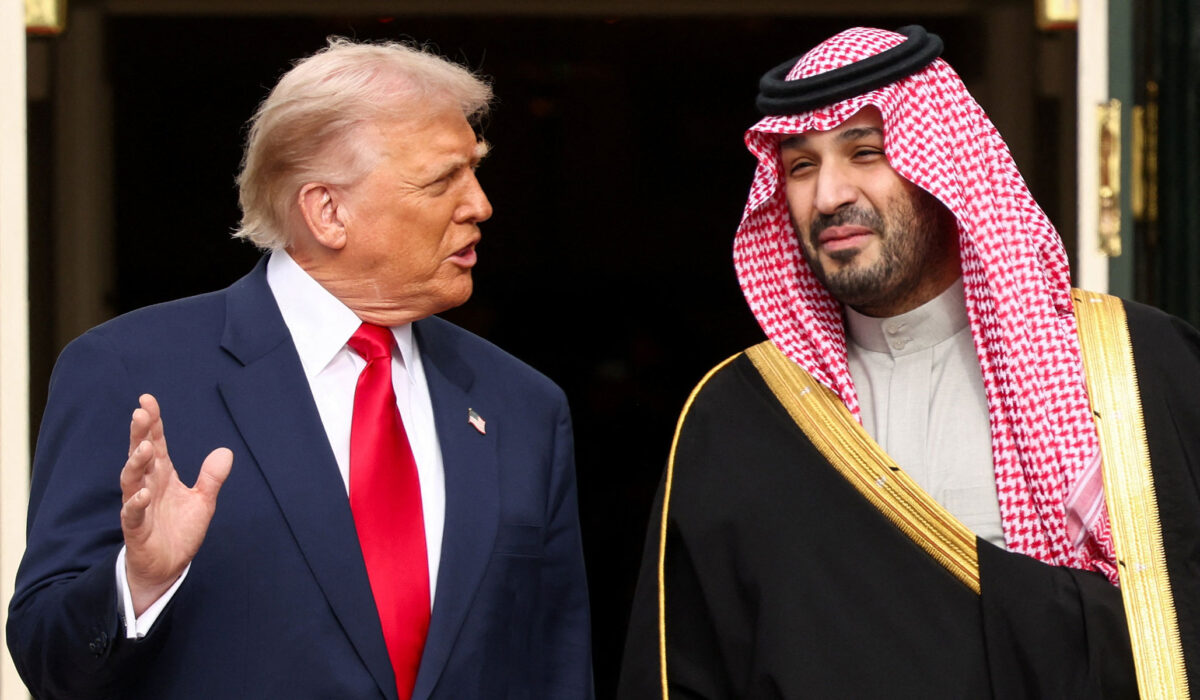
U.S.-Saudi Relations: A Better Place, with Caution for Trump
The U.S.-Saudi relationship is in a better place, even if it would behoove Trump to curb his enthusiasm. That improvement matters for American security, energy, and economic interests, and it deserves a straightforward look from a conservative perspective. Closer ties can be a win where strategy meets commerce.
First, the strategic benefits are clear and practical. Saudi Arabia sits at the center of the Gulf and plays a key role deterring Iranian ambitions, backing counterterrorism efforts, and stabilizing global energy markets. That kind of leverage is exactly what a tough, realist foreign policy should cultivate.
On energy, a friendlier Riyadh helps blunt volatility and lowers risk for American consumers and businesses. Stable oil markets are not charity; they protect our economy and give policymakers room to focus on long-term energy independence. Working with Saudi producers complements a broader approach that includes domestic production and allied cooperation.
Defense cooperation remains a pillar of the relationship and a jobs engine for the U.S. defense industry. Sales of American equipment enhance partner capabilities while ensuring interoperability and shared intelligence. That arrangement reinforces deterrence without committing U.S. forces to unnecessary ground entanglements.
Politically, the relationship lets Washington shape outcomes rather than watch them happen from the sidelines. Engagement gives the U.S. leverage to press for incremental reforms and better behavior on human rights and regional conduct. Conservatives should prefer influence through strength over isolation that yields less control.
That said, perpetual cheerleading does carry risks, even for a Republican president with a strong rapport. American leadership requires measured language and discipline so allies don’t mistake warmth for weakness. Bold praise is fine, but it should be paired with clear expectations and enforceable benchmarks.
Economic opportunities are plentiful: investment, trade, and joint ventures can benefit American workers and entrepreneurs. A sensible trade posture protects jobs while inviting foreign capital into sectors that support U.S. competitiveness. Smart deals avoid giveaways and ensure reciprocity.
Regional security considerations also mean coordinating with partners, including Israel and Arab states, to build broader coalitions against shared threats. A successful American strategy ties Saudi cooperation into a network of allies rather than relying on a single relationship. Multilateral pressure and shared burden reduce the chance of unilateral missteps.
Domestic politics matter, and transparency helps sustain public support for the partnership. Explaining the national-interest case in plain terms strengthens political cover for necessary but sometimes unpopular decisions. Republicans should make the case that dealing with realistic, capable partners advances American power and prosperity.
In short, the U.S.-Saudi relationship has improved and carries concrete upside for national security, energy stability, and economic opportunity. That progress is worth protecting by combining enthusiasm with discipline, clear expectations, and a focus on American interests. A steady, strategic approach will keep the gains intact while avoiding the pitfalls of unguarded optimism.