

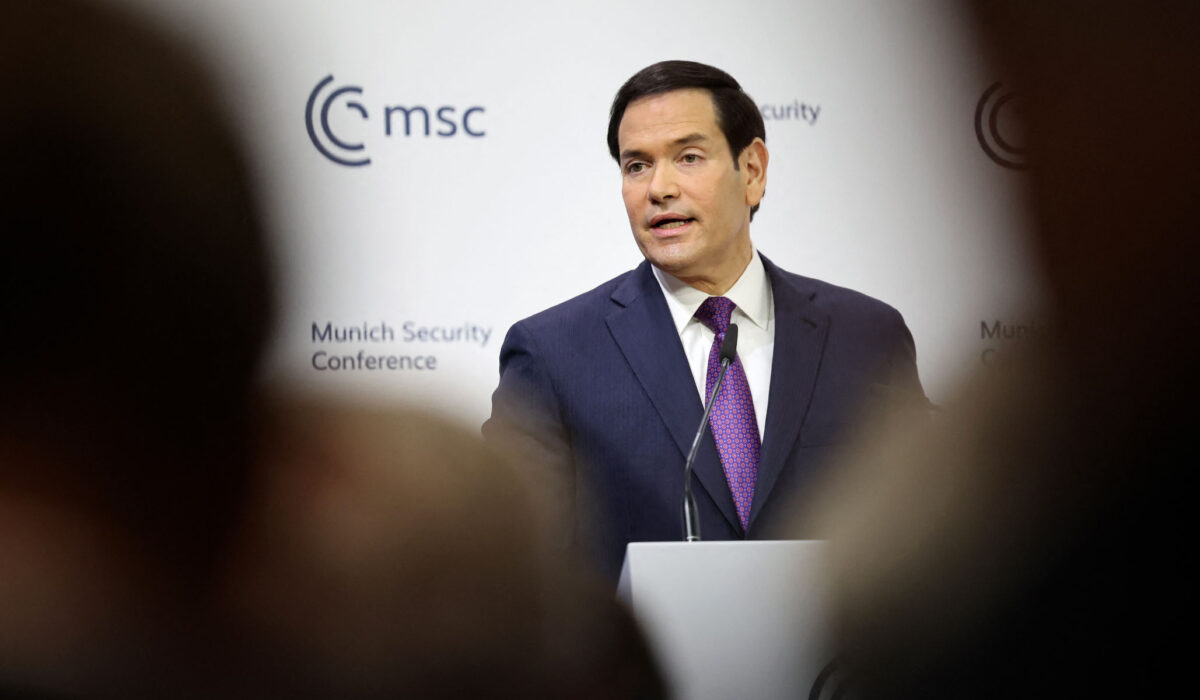
Why U.S.-Europe Ties Look Different in the Trump Era
There is a kind of romantic streak to U.S. relations with Europe in the Trump era. That line captures how many people still talk about the Atlantic alliance, but it misses what really changed: relationships became less sentimental and more practical. The shift exposed both strengths and limits in old assumptions about who carries the load.
Trump pushed a simple idea from a Republican viewpoint: alliances are partnerships, not automatic blank checks. He pressed NATO allies to increase defense spending and called out trade imbalances that had been ignored for decades. That blunt approach annoyed some European leaders and earned praise from voters who wanted fairness instead of polite posturing.
On security, the result was tangible movement. Several members of NATO did elevate defense budgets after years of cuts, and conversations about burden sharing were finally public and serious. Those changes came from pressure, not from dinners and speeches.
Trade was handled the same way: transactional and pointed. The administration used tariffs and leverage to force talks, signaling that good relations do not replace national interest. Europeans learned that trade deals require clear U.S. demands and follow through.
Politically, America stopped treating Europe like a monolith of identical values. Republican policy favored clear-eyed alliances with democratic partners while being blunt about disagreements on trade, migration, and security. That realism meant partnering where interests align and competing where necessary.
Culturally there is still plenty of common ground and shared history, so the romance is not entirely imaginary. But admiration alone does not fund armies, reform trade rules, or defend borders. The Trump-era policy assumed respect flows from results, not from mutual nostalgia.
Critics called the tone abrasive and warned it could erode trust. Supporters argued that disrupting the old routines produced better outcomes for American taxpayers and soldiers. Both sides proved right about different things, and the mix created a new baseline for diplomacy.
Diplomacy became less theatrical and more negotiated. White House pressure turned private complaints into public commitments, and that transparency forced Europe to act. It also made relationships more conditional, with benefits tied to concrete steps rather than shared sentiment.
The Republican case is that this approach was corrective, not corrosive. When allies pay their fair share and trade fairly, the alliance becomes stronger and more credible. Showing results rather than offering platitudes restores American leverage and encourages real partnership.
Looking ahead, U.S.-Europe ties will need steady leadership that balances conviction with cooperation. Durable alliances require both principled stands and practical bargains, and the Trump era pushed that balance toward practicality. The Atlantic relationship will adapt, and the question is whether future leaders keep the discipline of results or slip back into comfortable routines.