

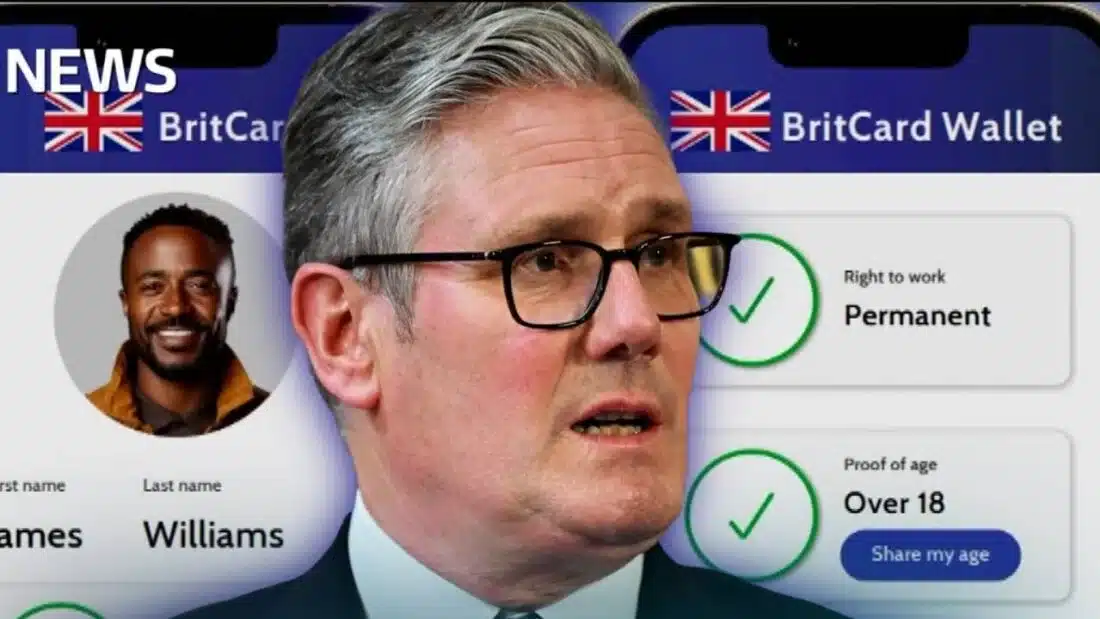
UK Push for Newborn Digital IDs: A Warning from a Republican Perspective
Back in 1937, The Technocrat magazine defined Technocracy with a line that still chills: “Technocracy will distribute by means of a certificate of distribution available to every citizen from birth to death.” The idea resurfaced in 1973 through the Trilateral Commission with figures like David Rockefeller and Zbigniew Brzezinski involved. That history matters because it shows this is not a spontaneous policy but a long-lived mindset about centralised control.
The UK government’s plan to roll out mandatory digital ID has shifted from verifying workers to a proposal that could reach newborns, according to reporting. Ministers in secretive meetings floated assigning digital identities to infants alongside their health records, using Estonia as a model where babies get unique numbers at birth registration. This is being sold as a tool to curb illegal immigration, but the headline doesn’t match the creep of capability.
Cabinet Office meetings led by minister Josh Simons reportedly discussed how Estonia’s system lets infants receive identifiers that grant access to public services later in life. Simons also suggested the IDs could be used by teenagers to log into social media, tying the idea to global moves like Australia’s under-16 app restrictions. That immediately broadens the policy far beyond right-to-work checks.
Prime Minister Keir Starmer announced a digital ID scheme in September to verify candidates’ right to work, with a projected rollout in 2028-29 and an estimated price tag of £1.8 billion. The government has been opaque on key details and timelines, which fuels fears about scope and mission creep. When a programme costs that much and remains vague, citizens should assume powers will expand.
Shadow Cabinet Office minister Mike Wood spoke up sharply: “Labour said their plan for mandatory digital ID was about tackling illegal immigration. But now we hear they are secretly considering forcing it on newborns. What do babies have to do with stopping the boats? This would be a deeply sinister overreach by Labour – and all without any proper national debate.”
Sir David Davis, a former Tory cabinet minister, warned this reads like “creeping state surveillance.” He added pointed criticism: “The idea that we should allocate children ID at birth is frankly an affront to centuries of British history, and is being put out by stupid ministers who really don’t understand the technology they are playing with. They think they are being clever and modern, but a large number of people will be outraged by this. It will end up being hated by a lot of people.”
Davis accused the prime minister of selling the policy on a “bogus premise” before quietly expanding it without proper parliamentary debate, and called it a “constitutional disgrace delivered in a disgraceful manner.” Liberal Democrat spokesman Lisa Smart described the reports as chilling: “Reports that ministers may be considering dragging newborn babies into their already over-reaching digital ID scheme would be a frightening development.”
One attendee who spoke under anonymity to the press said: “The disturbing prospect of digital IDs for newborn babies shows this has nothing to do with right-to-work checks, immigration or giving people choices. It’s a cradle-to-grave digital file being dishonestly forced on every single Briton. This is a shocking, underhand way to massively expand a controversial policy our country has always rejected.”
Big Brother Watch has flagged concerns publicly and its director, Silkie Carlo, has been vocal against the scheme on social channels. The broader programme—sometimes linked to a “Brit Card” on the One Login platform—aims to bar those deemed “illegal” from jobs, but critics note it won’t touch the bulk of legal migration and instead builds a powerful state control tool. With net migration near half a million annually, the policy will not solve the perceived problem it claims to fix.
The government maintains that “The only mandatory area of the programme will be for digital right-to-work checks. Only people starting a new job will need to use the scheme.” Yet insiders describe the newborn idea as hypothetical for now, leaving citizens to judge whether secrecy plus hypotheticals equals a plan to normalise surveillance. From a Republican perspective, policies that expand state reach under the guise of solving one problem deserve skepticism and a demand for parliamentary oversight.
This debate matters because assigning legal identity at birth tied to state-run digital systems changes the relationship between individual liberty and government. Citizens should demand clarity on scope, permanence, and safeguards before any policy that could track people from the cradle to the grave moves forward. Transparency and strict limits must come first if democratic freedoms are to be preserved.