

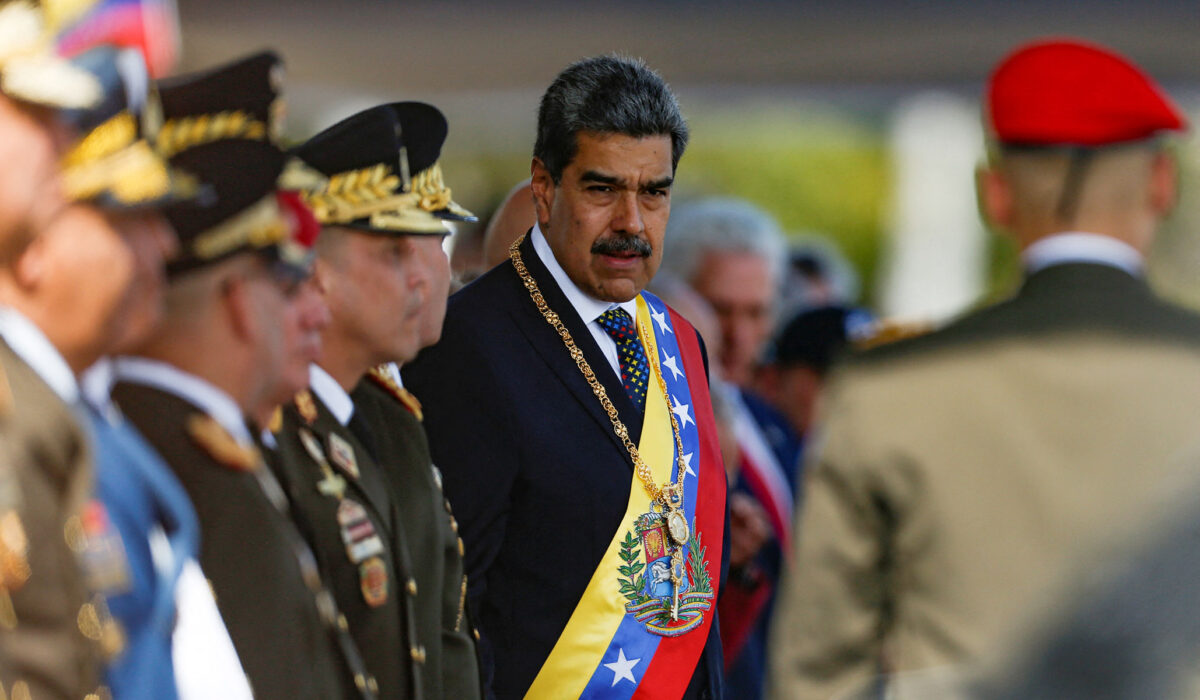
If President Trump Plans Military Action Against Maduro, He Should Take Congress Along
If President Trump intends to use military force to topple Maduro, he should go to Congress. That simple line frames a big question about constitutional duty, political legitimacy, and America first strategy. Conservatives care about strong leadership and the rule of law at the same time.
The Constitution gives Congress the power to declare war, and Republicans have long insisted executive action needs clear legal backing. Asking Congress for authority is not a sign of weakness, it is a way to build durable political cover and to bind the effort to defined objectives. That clarity matters whether the goal is targeted strikes, a limited campaign, or regime change.
Unilateral military moves create risks that stretch beyond the battlefield. Without congressional authorization you invite legal fights, splintered public support, and questions from allies who may be reluctant to join. A unified front in Congress helps secure logistics, funding, and international cooperation.
From a conservative perspective, there is also a moral case for following the law you say you believe in. Going to Congress respects the separation of powers and avoids setting a precedent that future presidents can ignore. It keeps the focus on practical results rather than raw rhetoric.
There are real strategic calculations to make before any use of force. Military planners need clear objectives, an exit strategy, and a realistic assessment of how power vacuums are handled. Congress can force those hard questions to be answered publicly so policymakers can weigh costs and benefits.
Domestic politics will matter, and so will regional stability. Latin American partners and the Organization of American States will judge U.S. action on whether it is lawful and sustainable. A congressional mandate would make it easier to rally friends and regional institutions around a coordinated approach.
Sanctions, diplomatic pressure, and targeted support for opposition groups should remain part of any toolkit alongside military options. Those measures can be reinforced by bipartisan legislation that signals long term commitment and creates leverage without immediate escalation. Combining instruments increases pressure while preserving flexibility.
Republicans advocating for a muscular foreign policy should not abandon constitutional guardrails in the process. Seeking congressional authorization does not remove the president’s discretion to act quickly when threats are imminent, but it does require explanation and limits that protect the republic. It is a conservative balance of strength and restraint.
Finally, Congress must demand transparency and realistic plans before voting to authorize force. Lawmakers should insist on clear objectives, rules of engagement, timelines, and post-conflict plans so American blood and treasure are not squandered. Tough congressional oversight preserves public trust and ensures any action serves national interest rather than personal ambition.