

Wind Projects, Radar Clutter, and the Risk to Norfolk Assets
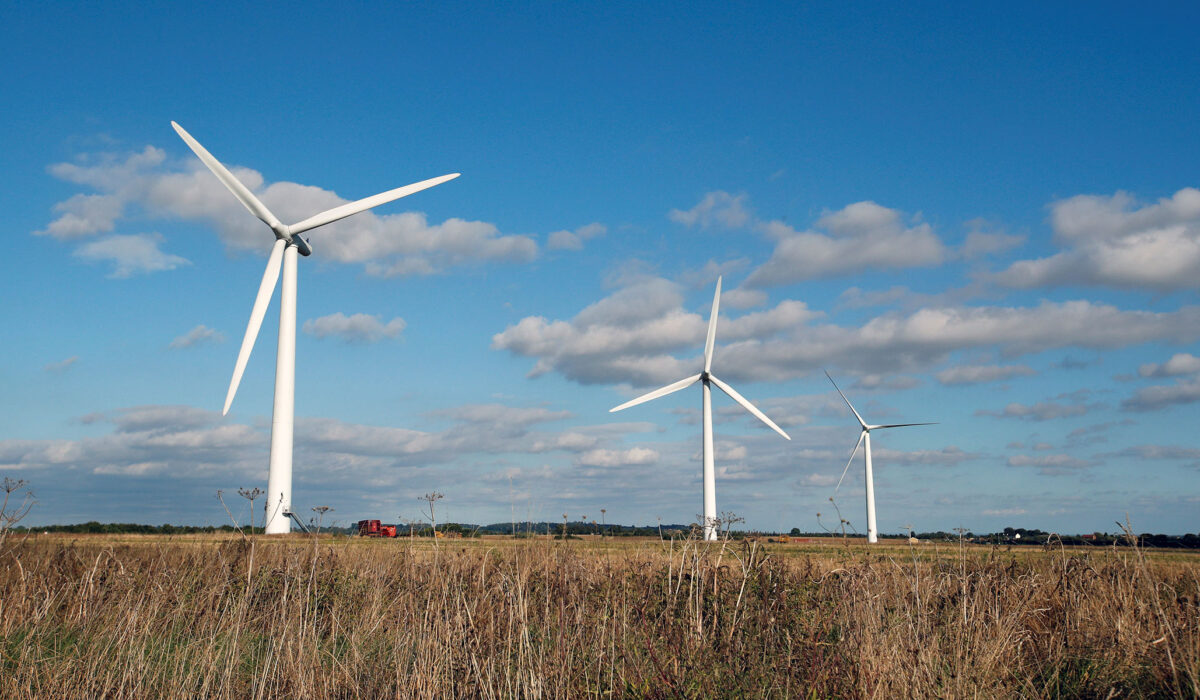
Wind energy projects are an important part of the power mix, but they can create radar interference and clutter that could put U.S. assets in Norfolk at risk. The rotating blades and towers produce radar returns that look like real targets to many surveillance systems. That clutter can complicate tracking, identification, and operational decisions for military and civilian controllers alike.
Turbines generate strong radar reflections because their moving blades create Doppler signatures similar to aircraft. Radar systems register those returns as persistent echoes, raising false alarms or masking smaller, real objects nearby. The result is degraded situational awareness where reliable detection is essential.
Norfolk hosts Naval Station Norfolk, one of the largest concentration points of U.S. maritime forces, and relies on clean radar coverage for port security, air and sea approaches, and fleet protection. Interference near those approaches can increase the workload on operators and force changes to patrol and monitoring patterns. When radar returns are ambiguous, commanders and controllers must compensate with alternative sensors or restrictive procedures.
Civil aviation uses a mix of primary radar, secondary surveillance, and cooperative systems like ADS-B to separate aircraft from clutter. Wind farms can produce persistent false tracks on primary radar, but aircraft with transponders are less affected. Still, uncontrolled or small aircraft without active transponders remain vulnerable to being masked or misidentified in cluttered airspace.
There are mitigation options: radar filtering, adaptive clutter maps, supplemental radar placement, and software upgrades can reduce false returns. Siting turbines farther from critical sensor lines of sight or limiting rotor heights in sensitive corridors helps too. None of these solutions is instant; they require engineering work, time, and money to install and validate.
Even with mitigation, tradeoffs remain. Filters can remove turbine signatures but risk suppressing legitimate low-signature targets near the turbines. Adding radars fills gaps but increases cost and complexity and can introduce new maintenance and integration challenges. Those realities make early, technical coordination essential during project planning.
Policy choices shape how those tradeoffs are handled. Federal agencies, local authorities, and developers need clear procedures for balancing renewable energy goals with defense and transportation safety. Coordinated environmental and security reviews that include radar modeling and operational assessments reduce last-minute surprises and costly project delays.
Local maritime traffic and training ranges around Norfolk complicate decisions. Commercial shipping, ferry routes, and routine fleet movements concentrate activity in specific corridors where radar fidelity matters most. Placing turbines in those corridors can force reroutes, increase separation buffers, or limit exercise realism.
Some regions have adjusted project plans after radar studies showed unacceptable impacts, and others have invested in technology to compensate. Those precedents demonstrate both the challenges and the paths forward when national security intersects with energy development. Lessons learned emphasize upfront technical studies and flexible mitigation strategies.
Manufacturers are experimenting with blade shapes and coatings that reduce radar cross-section, and signal processing continues to improve. Those technological advances could lower the operational impact of future wind projects, but they will not eliminate the need for careful siting. Funding and collaboration between industry, academia, and government labs can accelerate practical fixes.
Ultimately, where wind projects go and how they’re built will affect radar operators, aviators, mariners, and military planners in the Norfolk area. Technical assessments, early coordination, and targeted mitigations create real options for minimizing risk while allowing sensible clean energy development. Continued monitoring and adaptive management keep both infrastructure and security moving forward without forcing a false choice between them.