

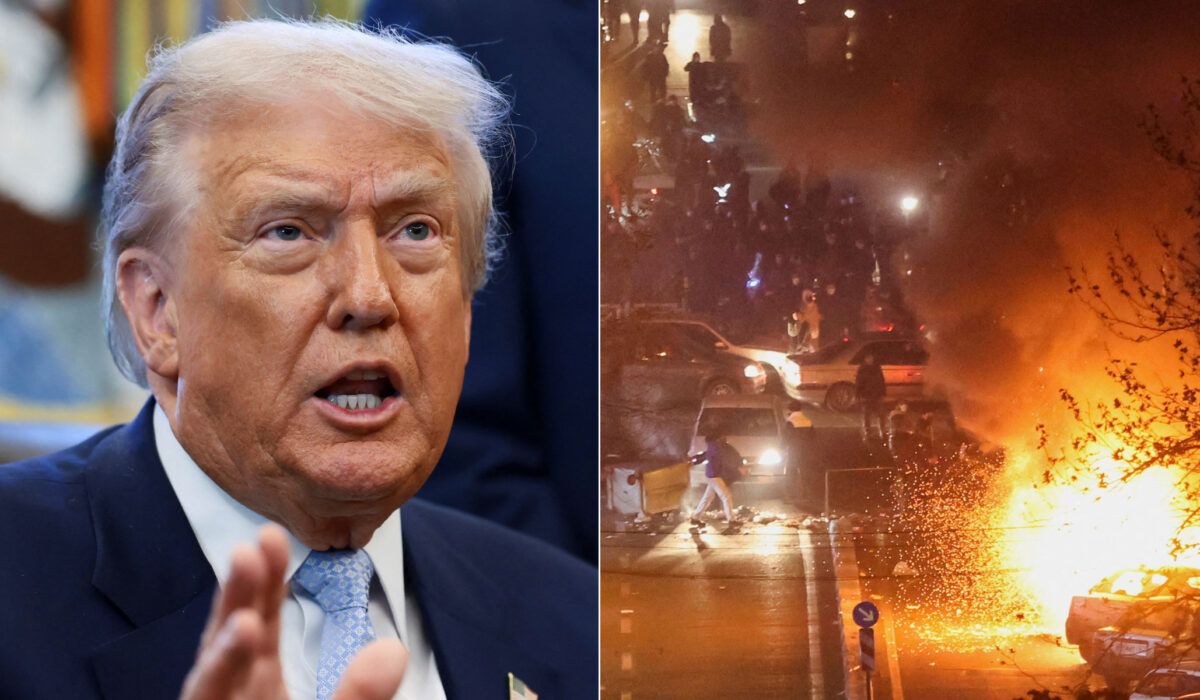
Trump, Iran, and the Risk of Repeating Past Mistakes
Iran is boiling over with unrest, and the question facing Donald Trump is simple: act decisively or watch events spiral. Republican voters expect strength and clarity when U.S. interests and regional stability are at stake. This moment demands a choice, not ambiguity.
History shows that wavering leadership invites trouble abroad. Presidents who hesitated in the face of aggressive regimes sometimes left power vacuums and costly consequences for the next administration. A GOP perspective prefers resolve over drift.
Standing aside while protests and repression unfold hands the initiative to Tehran and its proxies. That would risk emboldening bad actors across the Middle East and making the region more dangerous for allies and for American forces. Republicans worry that hesitation can be as harmful as the wrong kind of intervention.
There is also a practical case for supporting dissidents without falling into nation-building. Backing democratic impulses, exposing human-rights abuses, and tightening economic pressure are tools that can weaken the regime without open-ended occupation. Conservative strategy favors targeted measures that advance American interests efficiently.
But firmness must be matched with clear objectives and exit lines to avoid endless entanglement. The GOP view has long pushed for policies that achieve concrete outcomes and protect American lives and treasure. Voters will reject open-ended commitments that have no measurable end.
Domestic politics will shape any decision Trump makes, and that is part of the calculation. The Republican base prizes toughness, but it also demands smart use of power that improves security and economic standing at home. A policy that looks like strength but produces little will satisfy neither voters nor strategic needs.
There is a moral argument that resonates with conservative principles of freedom and self-determination. Supporting people who rise against tyranny aligns with traditional American values and reinforces U.S. credibility in the world. Standing by silently undercuts the moral authority the United States uses to rally partners and shape outcomes.
At the same time, the risks are real: missteps can lead to wider conflict or empower rival powers who want instability. Republicans wary of unchecked foreign commitments will insist on calibrated actions that increase pressure on Tehran while minimizing chances of escalation. That balance is politically popular with fiscal conservatives and national-security hawks alike.
In short, the decision is not merely about optics or short-term headlines. It will define how Trump is judged in terms of national-security leadership and political judgment. The choice between decisive, limited pressure and passive tolerance will have consequences that echo beyond any single news cycle.