

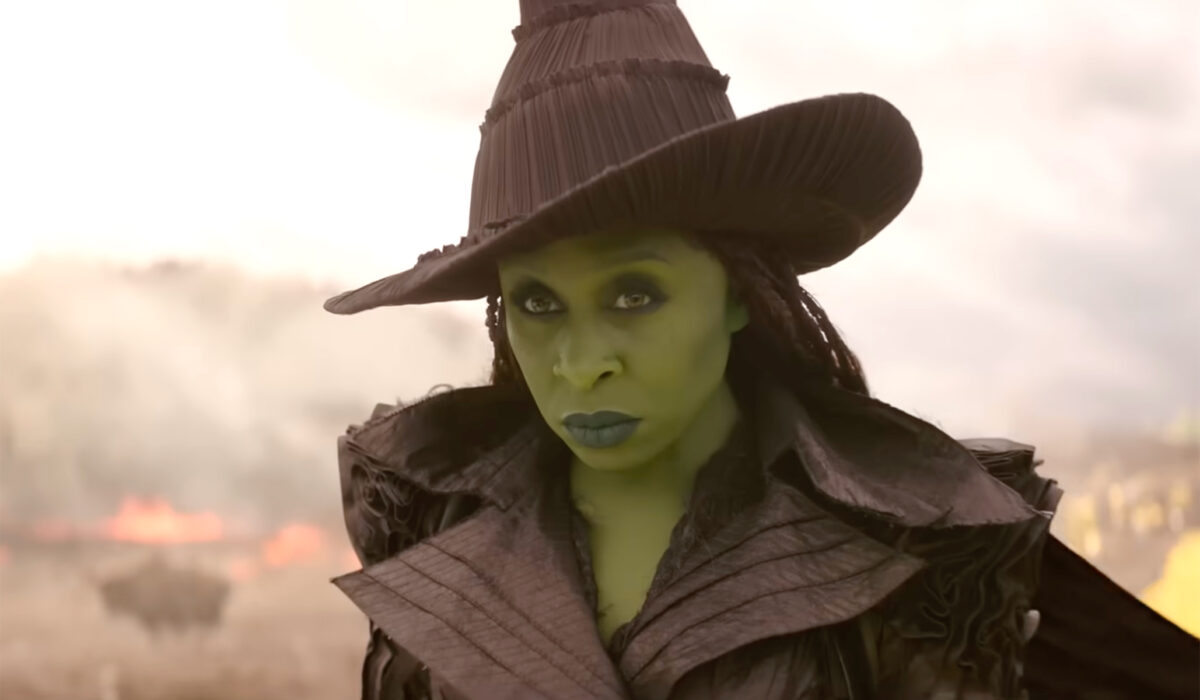
Wicked for Good: Trailer First Impressions
The new trailer landed like a fast reminder that not every sequel has to be bigger to feel important, and this one certainly isn’t pretending to be. It leans hard into brisk pacing and a stripped-down approach that trades bloated spectacle for tighter scenes and quicker cuts. That choice gives the whole thing a different energy, even if the underlying problems haven’t disappeared.
This sequel doesn’t improve on what was irredeemable, but at least it’s shorter.
Visually the trailer teases brighter palette shifts and a handful of striking frames that suggest the filmmakers aimed for style over substance this time. Close-ups and quick reaction shots dominate, signaling an editing plan meant to keep attention rather than deepen characters. It looks like a film trying to outrun its own baggage by moving faster.
Performances appear serviceable in snippets, with actors leaning into caricature more than complexity, which matches the trailer’s brisk tempo. When you only get moments, actors often play for the moment, and that means clearer, broader choices instead of quiet nuance. The result is efficient entertainment that rarely surprises.
The director’s fingerprints show in the trailer’s economy, opting for sharp transitions and a focus on immediate stakes rather than slow build. That can work when the material beneath has depth, but here the technique highlights how little there is to excavate. It’s a choice that amplifies both speed and shallowness.
Production design and visual effects look competent, with a few sequences that promise spectacle without the visual clutter that sank the previous installment. Lighting choices and set details are used to create quick mood swings instead of long, immersive world-building. It feels designed to give just enough to sell a moment rather than to sustain a world.
Sound and music in the trailer do the heavy lifting, dialing tension up and down to steer audience reaction in two minutes flat. A pulsing score and sharp sound cuts push the trailer’s rhythm, making what could be empty beats feel deliberate. It’s a useful trick when you want viewers hyped without committing to real substance.
There’s a clear sense of franchise fatigue hovering around the footage: familiar beats arrive on cue, and the film seems content to check boxes rather than challenge expectations. Loyal viewers might enjoy the comfort food of known callbacks and quick set pieces. Newcomers, however, may find themselves asking why this story needed another chapter at all.
Early responses from social feeds and comment sections skew split: some praise the tighter runtime and brisk storytelling, while others point out that correcting length doesn’t fix tone or character issues. The trailer’s strategy appears to be courting the former group—the ones willing to forgive depth for pace. That’s a risky bet in a market where attention is short but memory lasts long.
Marketing will likely lean on the trailer’s promise of a faster ride and clearer stakes, pitching the film as a leaner take on familiar material. Whether that’s enough to change impressions depends on how much viewers value speed over substance. For now, the trailer does a good job of setting expectations: come for the momentum, not for reinvention.