

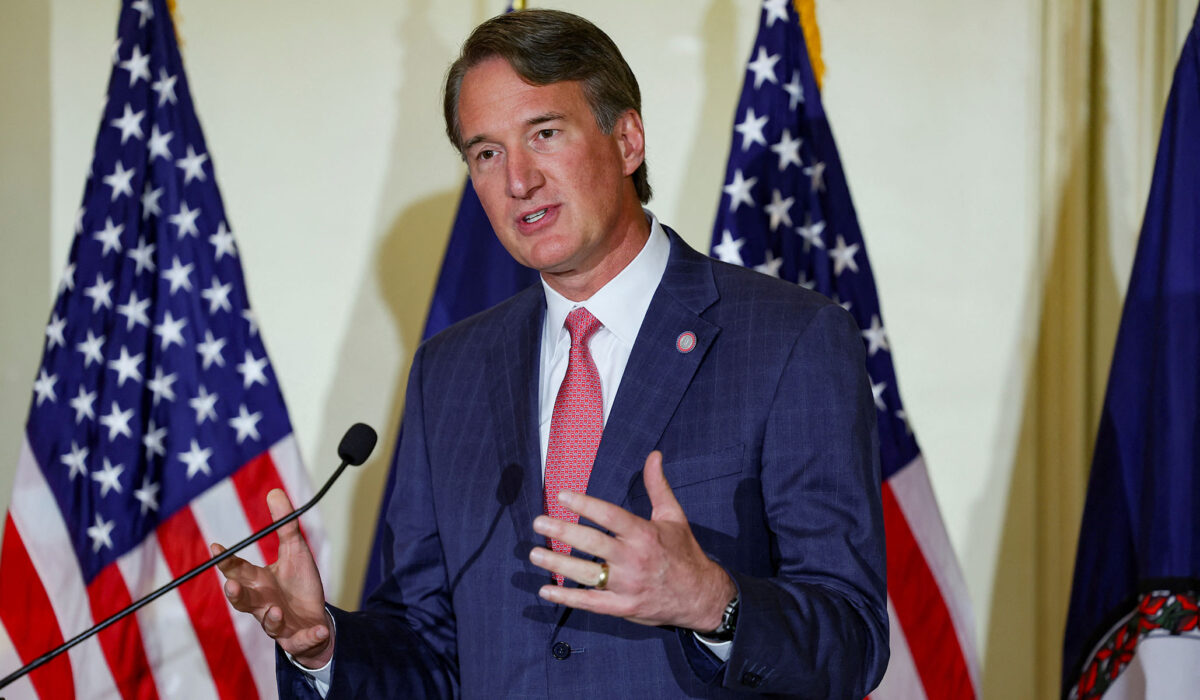
Glenn Youngkin’s Single Term: Results That Changed Virginia
Glenn Youngkin’s single term was easily one of the most successful of any governor in recent memory. He walked into Richmond with a clear agenda and left with a record that conservative voters can point to with real pride. The focus was on fixing schools, cutting red tape, and standing up for parents and small business owners.
Education was the centerpiece of his message and his actions matched the rhetoric. Youngkin pushed for stronger parental involvement in schools, fought for transparency on curriculum and nudged the state toward more school choice. Those moves energized Republican voters and reshaped the debate over who gets to decide what kids learn.
On the economy he kept the talk simple: make Virginia friendlier for business and workers. The administration emphasized regulatory relief and a climate that welcomed companies and entrepreneurs. That approach aimed to boost hiring, investment, and a sense that state government was an ally rather than an obstacle.
Youngkin also took a different path on pandemic-era policies, favoring local control and fewer blanket mandates. That stance appealed to families and workers tired of one-size-fits-all restrictions. It reinforced his brand as a governor willing to lift burdens while protecting the vulnerable.
Fiscal discipline showed up in choices about spending and appointments that tilted toward efficiency. He used the veto pen selectively and pressed agencies to cut wasteful rules. The combination of restraint and targeted investments signaled a conservative approach to governing that avoided extreme austerity.
Public safety and criminal justice reform were handled with a pragmatic tone that aimed to appeal across the aisle. Youngkin supported law enforcement while also acknowledging the need for sensible reforms to reduce recidivism. The result was policy that tried to balance order and opportunity for those leaving the prison system.
Messaging mattered as much as policy, and Youngkin mastered both. He communicated plainly, framed his wins in everyday terms, and kept attention on results rather than rhetoric. That style helped translate complex policy moves into votes and durable political gains.
No successful term arrives without friction, and Youngkin faced steady pushback from entrenched interests and political opponents. Legal challenges and partisan fights were predictable, but his team often stayed the course and defended its achievements. Critics remain vocal, yet the record left behind keeps the argument focused on outcomes.
When observers talk about governors who make a difference, Youngkin’s tenure is now part of that conversation. His single term reshaped priorities in a state that had been trending the other way, giving the party a blueprint for how to govern while still appealing to a broader electorate. The practical, results-oriented approach leaves a clear trail for those watching how conservative governance looks in action.