

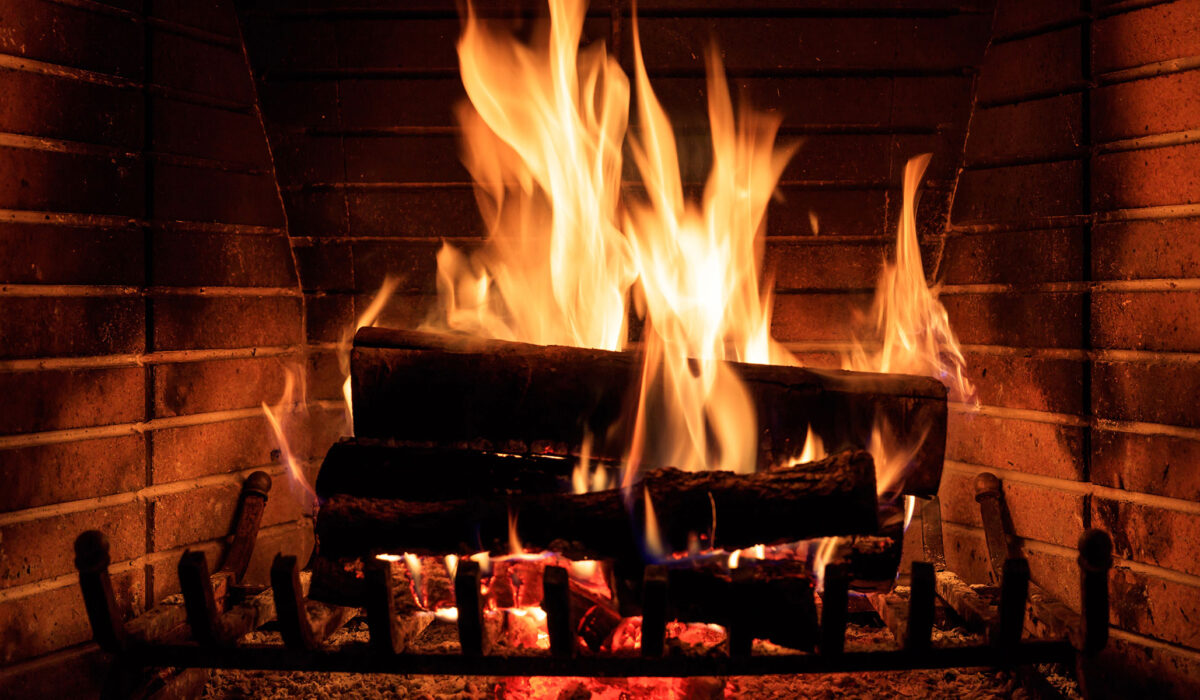
The TV Fireplace: Sixty Christmases and Counting
Sixty Christmases ago, the icon made its television debut — and it’s still a backdrop to our holidays. That simple broadcast image arrived at a moment when TV was settling into living rooms, and it quickly became shorthand for quiet, cozy evenings. People tuned in not for action but for a feeling: warmth, ritual, and a steady point of reference in changing times.
What started as a novelty — a filmed fireplace flickering on a small screen — grew into a cultural fixture that families return to year after year. The appeal is straightforward: it looks like home, even when you’re not at home, and it signals the same slow, familiar rhythm the way a clock or song does. That visual shorthand has a way of anchoring holiday plans without saying anything at all.
The image works because it’s both specific and blank slate at once; you see a hearth and project your own memories onto it. For some viewers it’s childhood holidays, for others it’s the quiet after wrapping gifts, and for many it’s simply background that makes a room feel finished. That versatility explains why broadcasters and streaming services keep bringing the idea back in fresh packages.
Over the decades the fireplace has been repackaged many times — higher resolution, longer runtimes, different mantel decorations — but the core idea stayed the same. Technical upgrades sharpen the flames and improve sound, but they don’t change why people press play: to create a moment that feels intentional without fuss. The update pattern shows how a simple tradition adapts to new screens and new expectations.
There’s also a practical side: a filmed fireplace is cheaper and cleaner than a real one for many gatherings, and it avoids safety worries in crowded homes. Hosts can light a digital flame and instantly set a mood without sweeping the hearth or minding embers. That convenience makes it an appealing prop for parties, streaming holiday playlists, and family Zoom calls all at once.
Marketing and commerce noticed the fixture early on, and the image has been used to sell everything from décor to holiday programming blocks. Still, the most persistent value comes from the noncommercial end: people choosing to add a little ritual to an evening. When the visual becomes a recurring choice rather than just an ad, it moves into the realm of tradition.
Anthropologists might point out that rituals don’t need grand narratives to be meaningful; they need repetition and association, and a televised fireplace provides both. It’s an example of how media can create shared habits, not just content, by offering the same cue across homes and years. Those repeated cues stitch separate households into a common seasonal experience.
The phenomenon also reveals something about our relationship with technology: we don’t always demand novelty, we often want continuity. New devices and platforms arrive, but familiar images perform an emotional work that upgrades alone can’t replace. So broadcasters keep the motif alive while adding features that fit today’s viewing styles.
That staying power matters because traditions evolve rather than vanish, and small rituals can carry a lot of meaning across generations. A televised hearth isn’t a replacement for a real fire, yet it becomes a shared shorthand for comfort and memory. In homes large and small, the image does what good traditions do: it returns when it’s needed and makes ordinary moments feel a little more deliberate.
Across six decades the televised fireplace has remained a quiet companion to holiday life, adaptable but familiar, simple but resonant. Families keep coming back to it not because it’s the only option but because it reliably produces a certain mood without fuss. That dependable atmosphere explains why the image keeps flickering on screens every season.