

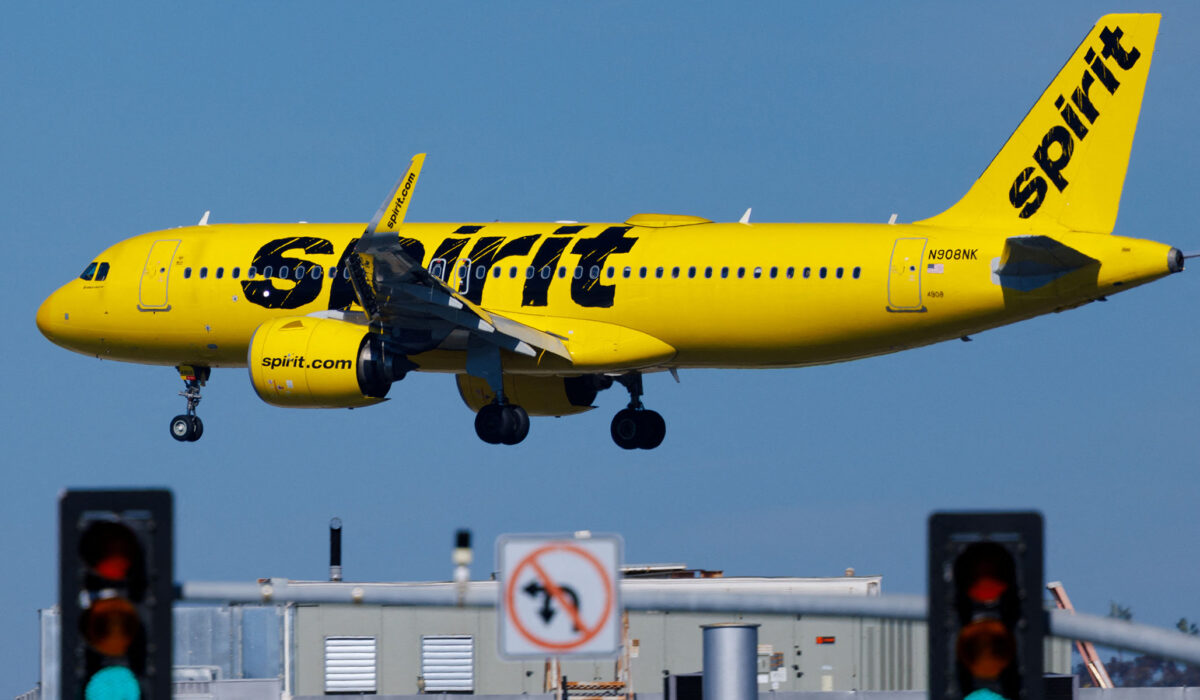
Why a Bailout Isn’t the Answer for a Troubled Airline
The headline risk here is simple and sharp: “A federal bailout of the troubled airline would be an expensive mistake.” Kicking the can to taxpayers won’t fix the strategic and operational failures that put the carrier in this position in the first place. We need clear-eyed choices, not emotional rescues.
A bailout creates moral hazard by rewarding poor management and risky behavior, which encourages repetition rather than reform. Taxpayer dollars should not underwrite corporate mistakes when private capital and the market can sort out winners and losers. In the long run that accountability keeps businesses efficient and consumers better served.
History shows bailouts get expensive fast, and the costs fall unevenly on citizens who had no role in the airline’s strategy or labor deals. Fed intervention shifts risk from owners and creditors onto ordinary people, and that’s a hard sell for anyone who believes in fiscal responsibility. The optics alone—taxes used to prop up a failing business—fuel public anger.
There are sensible alternatives to handing over public money. Bankruptcy protections allow a company to restructure, renegotiate contracts, and shed unsustainable obligations while preserving core operations and employee jobs where possible. Private capital can step in through mergers, asset sales, or fresh equity if the airline’s prospects merit it.
The proper role for government is to enforce safety and fair competition, not to substitute for business judgment or become a permanent backstop. If regulators are worried about systemic impacts, they should be transparent about the scope and limits of any support and insist on strict terms that protect taxpayers. Otherwise we end up socializing losses and privatizing gains.
Too often, bailouts protect union contracts or legacy inefficiencies that the market would otherwise correct, and those protections raise costs for consumers down the road. Healthy competition forces carriers to innovate, trim waste, and improve service while keeping fares in check. When airlines are allowed to fail and reorganize, resources move to more productive uses across the industry.
Propping up a single carrier also distorts investment signals and disadvantages rivals who run leaner operations. That creates an uneven playing field where bad business becomes survivable and good management gets punished. Markets work when consequences are real; suspending them warps incentives and slows recovery.
Management needs to answer for strategic choices, and investors need to bear the downside when risk bets go wrong. Creditors and shareholders sign up for that exposure, and they have tools—restructuring, takeover, litigation—to pursue remedies. Turning to taxpayers as a first option short-circuits that process and undermines capital discipline.
Politically, Republicans argue that limited government and fiscal prudence are nonnegotiable when public funds are at stake, especially in private sector failures. A narrow, conditional response limited to ensuring safety and preserving essential connectivity can be justified, but not an open-ended bailout that sets a bad precedent. The focus should be on letting the market work while protecting essential services and American families from fallout where necessary.