

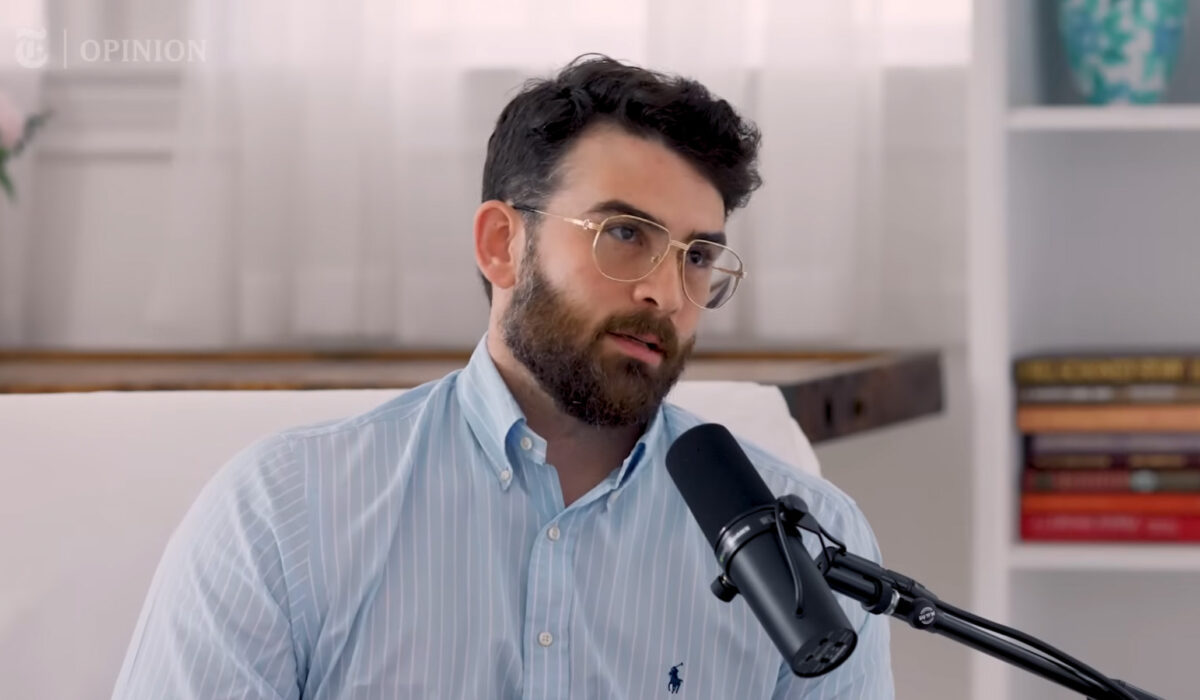
Why a “Lefty Streamer” Questioning Rules Matters
He isn’t just another entertainer on a screen; he represents a larger attitude toward the norms that hold communities together. When a high-profile left-leaning streamer openly shows contempt for basic rules, it matters beyond the clip of a moment. This behavior intersects with culture, responsibility, and how platforms respond.
Conservatives aren’t opposed to fun or provocation, but we value the stability that predictable norms provide. Rules—formal and informal—are the scaffolding that lets markets, families, and neighborhoods function. When public figures trash those norms for clicks, they weaken trust people need to rely on each other.
There’s a difference between pushing boundaries and eroding foundations. Pushing boundaries can lead to good conversations and reform; eroding foundations makes daily life rougher and less predictable. A streamer who openly disdains basic social rules is not engaging in constructive provocation; he is modeling disregard.
Platforms have an obligation, even if reluctantly accepted, to balance free expression with practical consequences. Allowing repeated flouting of norms without consistent enforcement signals that some people are above consequences. That expectation harms ordinary users who face rules in workplaces, schools, and neighborhoods.
Accountability doesn’t mean censorship; it means consistent standards. Conservatives believe consequences should follow actions, applied equally regardless of who breaks the rules. If a public figure gains audience by openly showing disdain for standards, the platform’s response matters as much as the behavior itself.
There’s also a cultural cost when influential entertainers treat societal rules as optional. Younger viewers take cues from those with big platforms, and imitation is not hypothetical. Modeling contempt for rules can normalize disrespect for schools, employers, and civic institutions in ways that last longer than a trending clip.
Some will call this policing culture or limiting expression, but boundary-setting is not the same as silencing. People still get to speak, to provoke, and to challenge norms when they have thoughtful reasons. The problem appears when contempt replaces argument and when performative defiance substitutes for accountability.
Conservative responses should be clear-eyed and principle-driven: defend free speech while insisting on equal application of rules. That balance preserves open conversation without letting influencers hollow out the institutions we depend on. It also protects small creators and regular users who must follow the same rules every day.
Media coverage tends to amplify extremes and flatten nuance, so it’s worth asking who benefits from normalizing rule-breaking. Often it’s attention economies and outrage loops, not the public good. Calling out harmful patterns matters, and doing so from a position that respects due process and fairness strengthens the critique.
The conversation about norms and influence isn’t theoretical for most people; it’s about whether neighborhoods remain livable and whether institutions keep their legitimacy. When a prominent left-leaning streamer treats foundational rules with contempt, conservatives can point to real-world consequences without sounding reflexively censorious. That mix of principle and practical concern is where the debate should live.