

A New Chaldean Patriarch and the Witness of the Persecuted Church
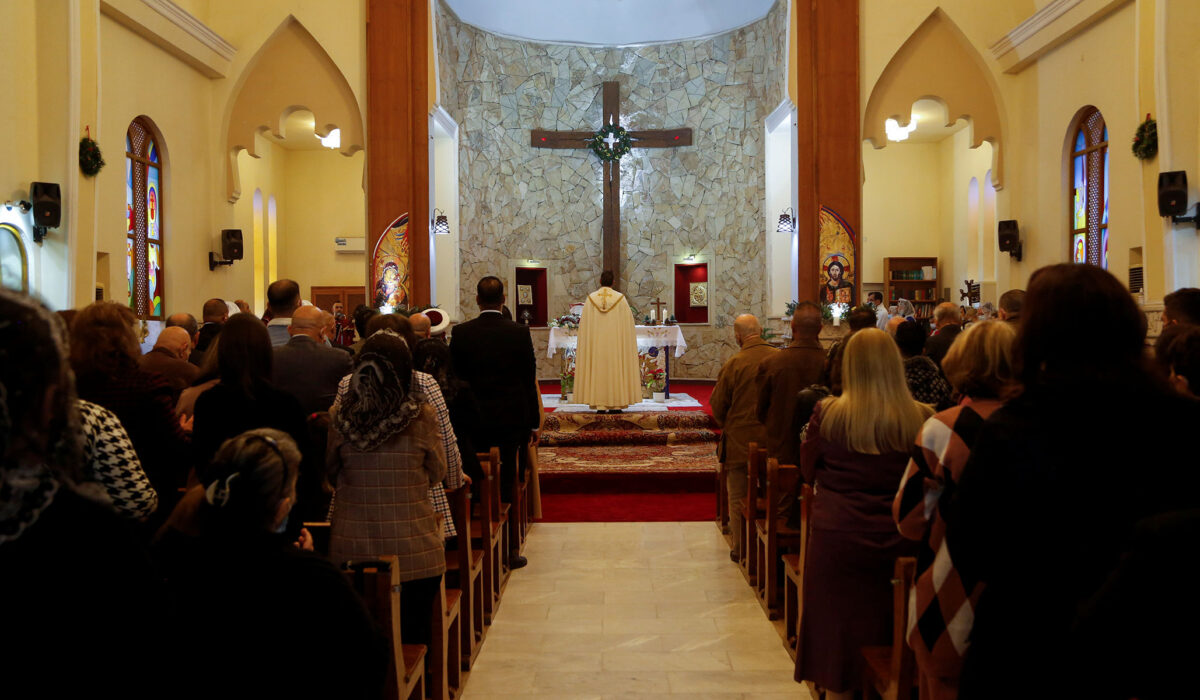
The new Chaldean patriarch is a witness to the world of the persecuted church. He steps into a role heavy with history, responsibility, and urgent pastoral needs. Communities that once flourished now look to him for spiritual leadership and practical direction.
His appointment lands at a fragile moment for Christians in the Middle East, who face displacement, economic hardship, and social marginalization. Parishes are smaller, but their fidelity remains strong, and that resilience shapes how the patriarch will lead. Expect pastoral priorities that blend tradition with pragmatic recovery efforts.
One immediate task is rebuilding trust inside communities shattered by violence and migration. That means supporting families who stayed, those who returned, and those now scattered across the diaspora. It also means restoring churches, schools, and parish programs as anchors of daily life.
Another focus will be advocacy for religious freedom and legal protections where Christians live as minorities. The patriarch can speak on behalf of people who lack representation in local or national institutions. Such advocacy will be both a moral duty and a diplomatic effort with governments and international partners.
Pastoral care is equally central: training clergy, reviving catechesis, and offering trauma counseling will be priorities. Young people, in particular, need pathways to maintain faith while pursuing education and work. The patriarch’s leadership will be tested by how effectively the church invests in tomorrow’s generations.
Reconnecting with the global Chaldean diaspora is crucial for long-term viability. Remittances and expertise sent home have already sustained many parishes, and coordinated efforts could turn scattered resources into strategic reconstruction. The patriarch’s role will include encouraging networks that link communities in Iraq, Syria, Europe, and North America.
Interfaith relationships will matter too, especially in regions where Christians live alongside Muslims, Yazidis, and others. Practical cooperation on education, health, and security can create space for peaceful coexistence. The patriarch can be a figure for dialogue without compromising core beliefs.
There is a cultural dimension as well: preserving liturgy, language, and heritage helps maintain identity under pressure. Chaldean liturgical traditions, music, and Syriac language instruction are not just nostalgic; they bind communities across generations. Supporting cultural institutions helps prevent erasure of a long presence in the region.
Economic recovery will require partnerships beyond the church, including NGOs and sympathetic governments. Small business support, vocational training, and community-based projects offer sustainable alternatives to dependency on aid. The patriarch’s moral authority can open doors to practical collaboration.
Security concerns remain real, and the patriarch must balance prudent caution with pastoral visibility. Visiting villages, presiding at public liturgies, and comforting survivors are all risky but necessary acts of leadership. Those gestures build morale and signal that the church is present in the most difficult moments.
Ultimately, his witness will be measured by steady, compassionate presence rather than dramatic pronouncements. The church’s future depends on steady institution-building, pastoral care, and international solidarity. Those combined efforts will determine whether this chapter becomes one of recovery or continued decline.