

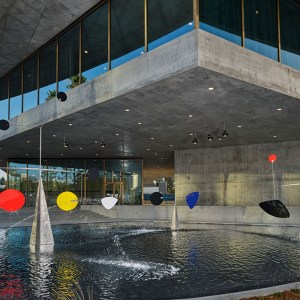
LACMA’s New Building: An Epic Story of Art, Design and Community
The Los Angeles County Museum of Art’s soon-to-open new building is an epic story in itself. It reshapes how a city museum thinks about scale, light and how artworks live together. Visitors will notice the ambition from the moment they approach.
On the outside, the structure aims to read like a civic gesture rather than a private fortress. Its presence changes sightlines and creates new public space in a part of town hungry for cultural life. That shift alone alters expectations for museums across the region.
Inside, galleries are being planned to do more than hang art on walls. Curators and designers are working to let works breathe and speak to each other, so exhibitions feel like conversations. That approach short-circuits the old model of rigid period rooms and isolated silos.
Circulation and visitor experience are central to the design story, not afterthoughts. Wide routes, pauses for viewlines, and flexible gallery footprints suggest a museum built for people, not just objects. These decisions matter the moment you step through the doors.
Conservation and storage are quietly heroic parts of the project, since how a museum stores its collection defines what it can do. Modern, climate-controlled spaces protect fragile works and allow a greater portion of the holdings to circulate. That opens opportunities for loans and rotating displays that benefit the public.
Educational programming will find new life in rooms that accommodate different kinds of learning. From intimate talks to hands-on activities for families, the new spaces are designed to invite participation. That can change how people relate to art, making it less distant and more immediate.
Community impact is more than a line item; it is a core metric for success. The building’s planners have talked about partnerships with local schools, artist residencies and neighborhood events tied to the museum’s calendar. Those efforts help anchor the institution in the daily life of Los Angeles.
Funding a project of this scale is complex and often messy, involving a mix of philanthropy, public dollars and long-term commitments. That financial tapestry shapes priorities and timelines, and it influences the kinds of exhibitions and services a museum can sustain. Transparency about those choices matters to the public it serves.
Architectural and engineering challenges are part of the drama, from long-span structures to material choices that age gracefully. Those decisions affect maintenance costs, acoustics and how natural light interacts with delicate pigments. The technical work behind the scenes is what makes a grand vision practical.
Sustainability has found its way into the conversation as well, with systems intended to reduce energy use and improve resilience. Efficient HVAC, smart lighting and responsible material selection help protect both collections and the environment. These choices reflect growing expectations for cultural institutions today.
The result is a museum that seeks to be readable, durable and generous, one that offers both spectacle and intimacy. As the opening approaches, the city is watching how it will integrate with daily life and tourism alike. The building promises to be a new chapter for art in Los Angeles, written at full scale.