

Strolling the Getty Villa, Graveside Stories, and Malibu’s Tile Glow
The Getty Villa sits on a bluff above the ocean, a place that mixes Roman formality with the casual pulse of Southern California. Walking its peristyles and galleries feels like moving through a carefully staged memory, with marble and light choreographed to teach you something about how people lived and believed.
Rooms full of pottery, sculpture, and carved reliefs map out lives that were surprisingly ordinary underneath their grand facades. Faces caught in stone, fragments of fresco, and everyday household objects make ancient people startlingly relatable. The collection encourages close looking rather than quick scrolling, which is a rare pleasure these days.
Outside the galleries, the Villa’s gardens are as much a part of the story as the objects on the walls. Roman landscaping was practical and poetic, arranging space to stage family, ritual, and conversation. The citrus and clipped hedges work with the architecture to show how beauty served daily life and civic identity.
One unexpected theme that follows you around is the tough road to a happy afterlife—how communities prepared for death and tried to secure a better fate for the deceased. Funerary stelae, ash urns, and inscriptions reveal both hope and anxiety, a mix of personal grief and public display. Those objects make ancient ideas about fate feel immediate and human, not remote antiquarian trivia.
Inscribed epitaphs and iconography spell out beliefs that were part moral guide and part marketing for the family’s reputation. The dead were remembered through storytelling carved in stone and painted on pottery, which preserved social status in a way that still resonates. Museums let visitors read those messages across millennia and imagine the conversations that once surrounded them.
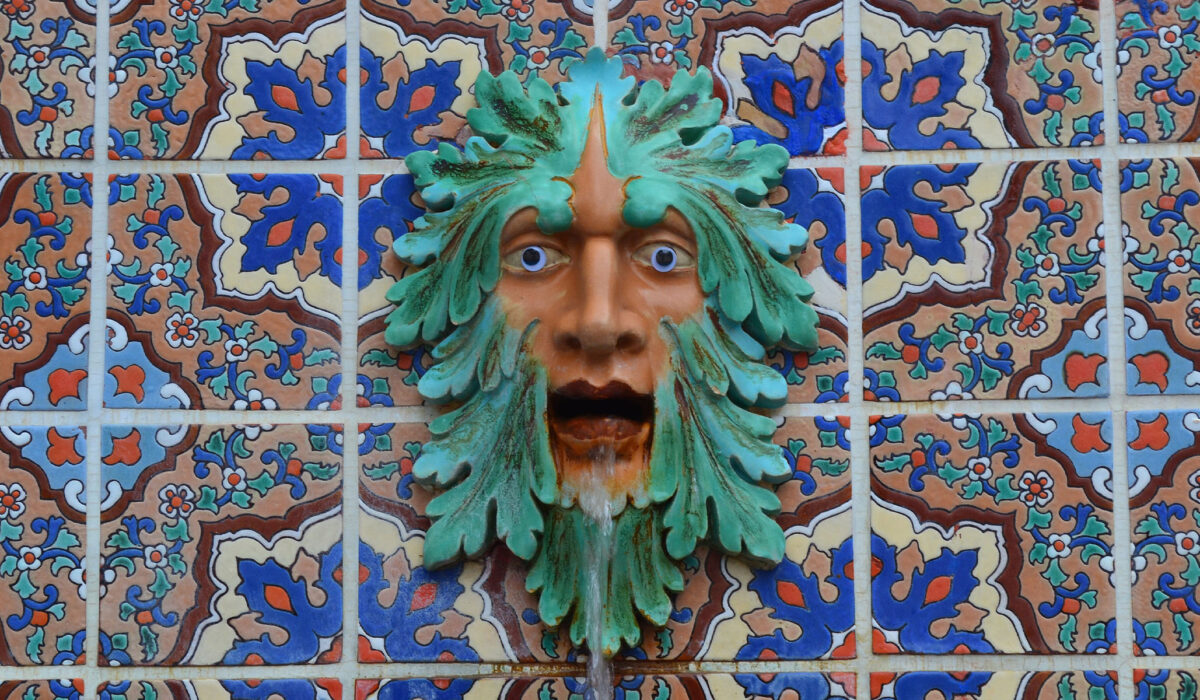
Moving from high-minded afterlife schemes to bright, modern surfaces, Malibu is home to a lesser-known but endlessly charming tile museum. It’s a hands-on kind of place where color, pattern, and craft are front and center, offering a very different set of pleasures than a marble bust. Tiles insist you look close—they reveal the maker’s fingerprints, glazing quirks, and the tiny rebellions of artisan hands.
The tile museum shows how everyday objects can be cultural signposts, mapping neighborhood tastes and historical moments through ceramic motifs. Exhibits often mix historic examples with contemporary commissions, which bridges past techniques and modern design impulses. That conversation between old and new is a reminder that craft evolves while remaining rooted in material practice.
Across both institutions, the material evidence of life—pots, tiles, bones, and inscriptions—does the work of history better than abstract summaries. Objects force you to slow down, notice details, and piece together probable stories rather than accept tidy narratives. That kind of curiosity is what museums aim to cultivate, whether in marble halls or tile-lined rooms.
Practical matters shape how these places are experienced: lighting, display cases, and the path the visitor is guided along all influence what gets noticed and what recedes. Curators decide which fragments become central and which remain background texture, and those choices shape public understanding. Visiting with attention lets you see behind the scaffolding of interpretation.
There’s also a local, present-tense energy in Malibu that gives both the Villa and the tile museum a unique flavor, blending tourist curiosity with genuine community engagement. Residents bring a different tempo to exhibitions—expertise, passion, and sometimes impatience with sanitized storytelling. That local scrutiny keeps museums honest and responsive.
What matters most is the invitation both sites extend: to look closely, ask questions, and let something old or small change your view of the everyday. Whether it’s a Roman relief hinting at a family drama or a glazed tile catching sunlight in a particular way, those small encounters linger. They turn passive sightseeing into a more active practice of noticing and remembering.
If you go, bring some time and loose expectations—museums reward patience and a willingness to follow small surprises. You’ll leave with specific images and a felt sense that history and craft are less distant than they might seem. Those impressions stick in the imagination and keep you thinking long after you’re back in traffic or at the beach.