

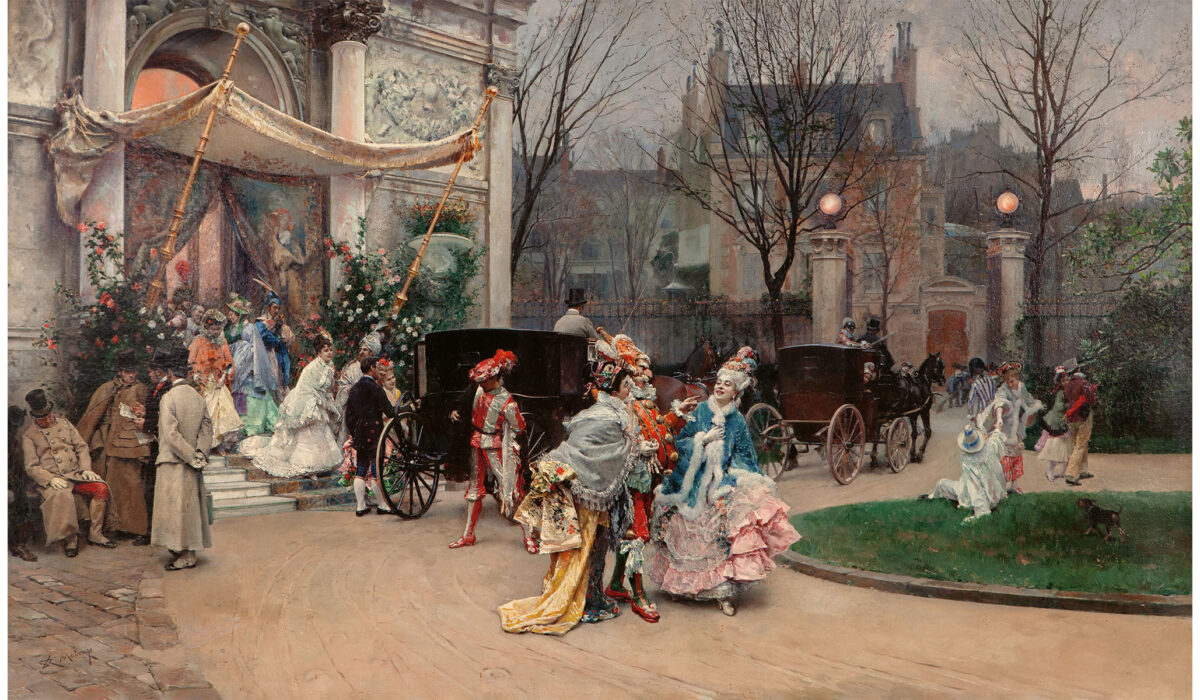
Spanish Art Between Goya and Picasso at the Meadows Museum
The Meadows Museum in Dallas makes it clear that Spanish art between Goya and Picasso is far from a single story. The period is rich with sharp changes in style, politics, and technique that set the stage for modernism. The museum’s approach highlights surprising connections rather than tidy period labels.
Goya stands as an unavoidable point of origin for many of the tensions that follow, from stark social commentary to experimental handling of paint. His late works pushed boundaries of mood and subject in ways that later artists could react to or rebel against. That influence threads through the 19th century into the early 20th century, even when artists moved toward different aesthetics.
The 19th century in Spain includes a mix of Romantic drama, academic realism, and a new interest in everyday life and light. Painters experimented with color and urban scenes while others held on to classical techniques and grand historical subjects. This variety created a lively conversation across studios and cities.
As we approach Picasso’s rise, you find artists wrestling with national identity and international currents. Some looked outward to Paris and Italian trends while others dug into regional traditions, folklore, and costume painting. Those choices produced work that reads as both distinctly Spanish and globally engaged.
Technique matters here, from delicate chiaroscuro to broader, looser brushwork that hinted at modernist freedom. Materials and scale shifted as well, with some artists favoring intimate portraits and others painting ambitious, theatrical canvases. The switch in handling paint often marks broader shifts in how artists saw their role in society.
Portraiture and genre scenes occupy a big chunk of this story, showing how artists recorded social types and public life. Some portraits are sober and exacting, aiming to document status and character. Others are playful or even subversive, revealing attitudes below the surface of polite society.
Religious and historical painting lingered, but many artists pivoted to subjects that felt immediate and contemporary. Landscapes and coastal scenes, for example, became testing grounds for light and atmosphere. Such works helped artists explore sensation and perception ahead of full-on modernism.
By the early 20th century, the scene is unmistakably plural: tradition, regionalism, and avant guard all coexist. Picasso’s break with representational norms is a dramatic punctuation, but it arrives from a long sequence of experiments and reactions. The Meadows Museum makes that sequence feel alive rather than archival.
Curatorial choices matter in how that story is read; pairing works that seem distant can show direct dialogue. When a realist canvas sits next to an experimental study, you see the push and pull that shaped modern art. That kind of editing helps visitors trace influence without forcing neat period boxes.
The result is a perspective on Spanish art that values complexity over a single hero narrative. Instead of presenting a straight line from Goya to Picasso, the museum maps networks of influence, conflict, and reinvention. It’s a reminder that art history is a conversation, full of detours and rebuttals.
For anyone curious about how modern art grew out of messy, lived experience, this stretch of Spanish art is essential to understand. The works on view show artists testing limits, responding to social change, and rethinking what painting could do. The Meadows Museum frames that era as an active laboratory of ideas, not a closed textbook chapter.