

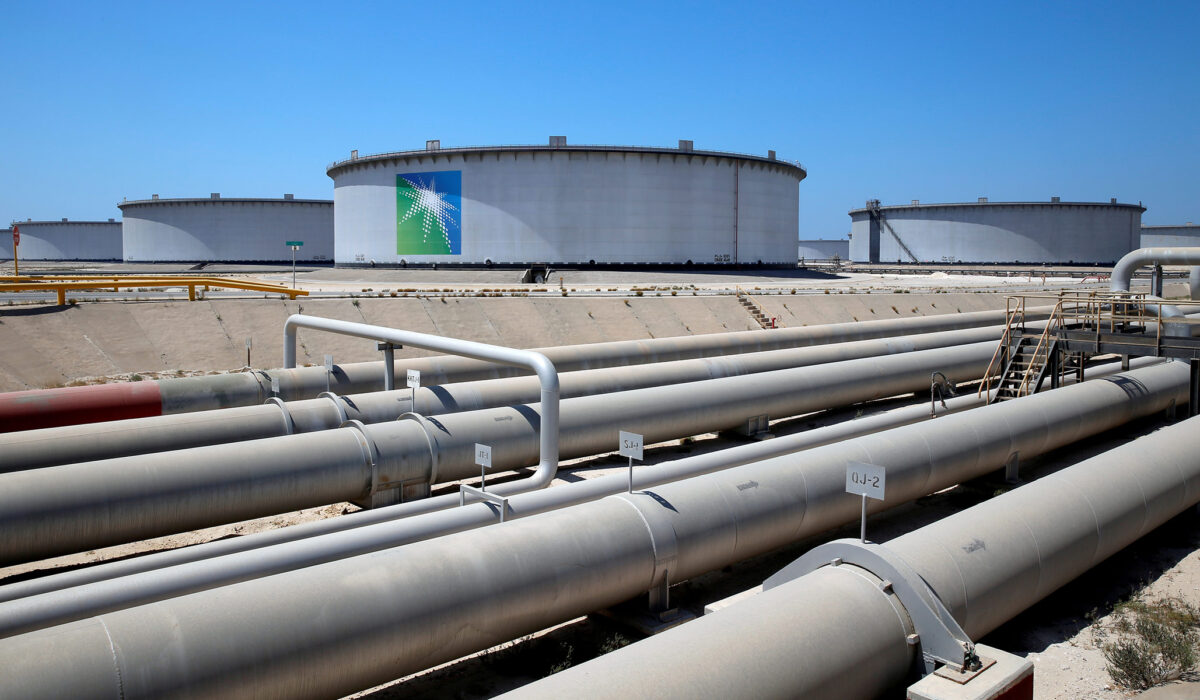
Expanding Middle East Energy Pipelines: Pitfalls and Promise
Expanding the Middle East’s energy pipeline network has potential pitfalls but also promise. Policymakers, companies, and host communities are weighing those tradeoffs as demand patterns shift and new export routes look attractive. This piece looks at the practical and strategic factors that matter when pipeline plans move from maps to construction sites.
Economically, pipelines can unlock value by linking producers to high‑demand markets and lowering transport costs. Larger, more reliable flows help stabilize regional revenues and make long‑term contracts easier to secure. At the same time, tying national fortunes to a single corridor concentrates risk if anything interrupts that flow.
On the technical side, pipelines face well‑known engineering hurdles: difficult terrain, corrosion, and the challenge of integrating legacy systems with modern monitoring. Projects that ignore routine maintenance or proper materials selection invite failures that are expensive to fix. Even state‑of‑the‑art systems require steady operational discipline to avoid outages and leaks.
Geopolitics complicates every cross‑border link, because pipelines become strategic targets and bargaining chips. Transit disputes, shifting alliances, and sanctions can disrupt routes that seemed secure during planning. Security costs for patrols, hardening, and insurance can quickly erode the commercial case for a project.
Environmental and social impacts are another layer of risk, with methane leakage, soil contamination, and habitat disruption among the frequent concerns. Communities along proposed routes often demand clearer benefits and stronger safeguards, and opposition can delay or halt projects. Proper environmental assessment and meaningful local engagement are not optional if a project expects longevity.
The promise is real: well‑designed pipelines support export diversification, open new markets, and reduce shipping bottlenecks that currently penalize producers. They can also serve as infrastructure backbones for energy transition technologies, including repurposing corridors for hydrogen or CO2 transport in the future. When commercial terms, technical standards, and environmental safeguards align, pipelines can deliver predictable returns over decades.
New tools reduce some risks: fiber‑optic sensing, drones for inspections, and predictive analytics improve leak detection and maintenance planning. Regulatory harmonization between neighboring states cuts legal uncertainty and speeds approvals. But technology and rules must be paired with clear contractual frameworks that allocate pipeline transit risk fairly between owners, shippers, and host states.
Financing matters as much as engineering because large projects need patient capital and credible revenue streams. Public‑private partnerships, anchor shipper agreements, and transparent tariff models help bridge the gap between political ambition and investor caution. Blended finance approaches that include development banks can tighten the deal when social or environmental benefits are part of the case.
Decisions on pipeline expansion will shape regional trade patterns and energy security for generations, so planners must balance ambition with contingency planning. That means stress‑testing scenarios, funding maintenance reserves, and building governance mechanisms to manage disputes quickly. Practical, well governed projects can capture the promise while limiting the pitfalls that make headlines when things go wrong.