

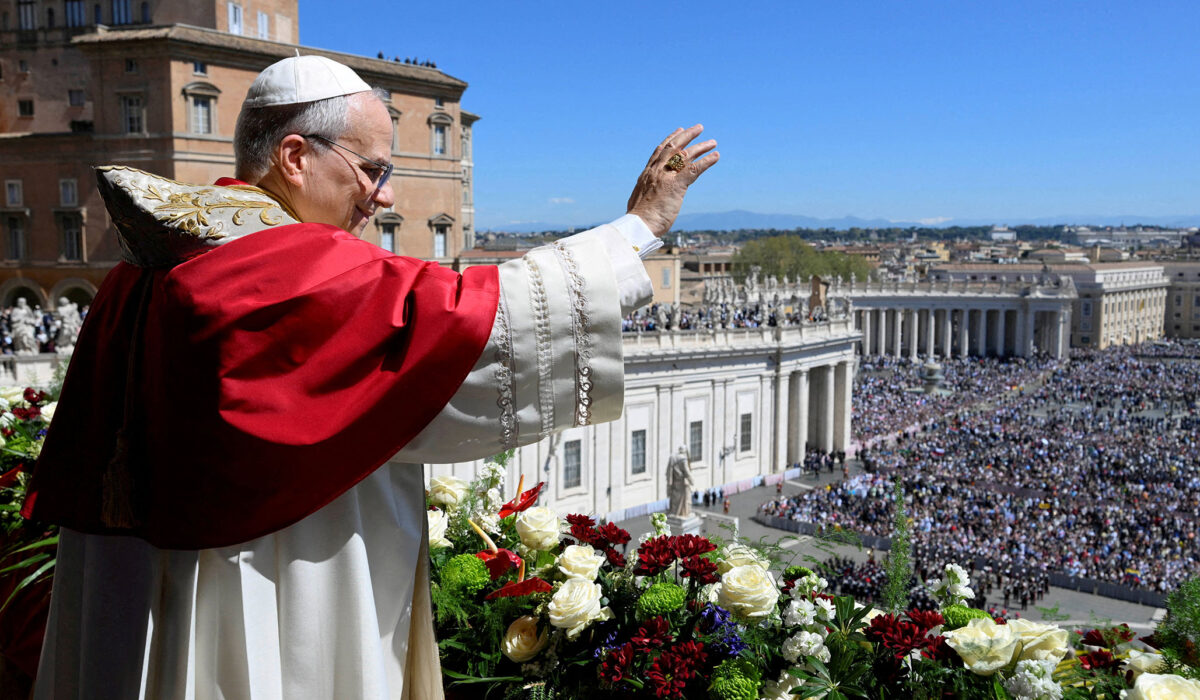
Pope, Just War, and U.S. Action on Iran
The pope can raise legitimate questions about whether U.S. action against Iran meets the criteria of just war theory. But that is not at all what he has done.
Just war theory is a moral framework with clear tests: just cause, last resort, legitimate authority, proportionality, and discrimination between combatants and noncombatants. Those criteria matter to voters and officials who weigh the human cost of force. Republicans tend to insist these principles be applied without ignoring threats to American lives and allies.
From a Republican perspective, U.S. military moves toward Iran have often been defensive and preventive in nature. Tehran backs proxies and develops capabilities that threaten U.S. personnel and regional stability. That context is crucial when judging whether force is justified.
When a moral authority like the pope comments, it carries weight, but moral weight is not the same as operational detail. Religious leaders can highlight ethical concerns, but they cannot substitute for intelligence briefings or the assessments of commanders in the field. Policy decisions require both moral reflection and practical clarity.
Critics on the right worry that public moralizing without the facts can hamstring commanders and embolden adversaries. If leaders in Rome or elsewhere condemn a defensive strike without acknowledging provocations, they risk tilting the debate away from protecting civilians and troops. That selective framing can produce perverse incentives on the battlefield.
Proportionality is often where debates heat up. Republicans argue proportionality must be judged against the enemy’s intent and capability, not only the immediate damage inflicted. A measured military response can be both constrained and effective when it targets the systems and actors that enable aggression.
Concerning legitimate authority, Republicans typically point to Congress and the commander in chief as the proper channels for authorizing force. They see wartime decisions as constitutional responsibilities that should not be outsourced to external moral authorities. That separation of roles preserves both moral reflection and democratic accountability.
Discrimination between combatants and civilians is a shared moral goal, and responsible policymakers on the right do not dismiss civilian casualties. The debate hinges on whether available options actually reduce long-term risk to innocents or simply delay confrontation. Republicans often favor actions designed to degrade hostile capabilities while minimizing collateral harm.
The pope’s intervention highlights a tension between global moral voices and national self-defense. Republican voices respond by insisting that moral critique be informed by security realities and by clear evidence of threats. Otherwise, moral critique can become a rhetorical cover for policies that leave citizens more exposed.
International law and alliances matter, and Republicans do not deny that. But they also stress that law must reckon with bad actors who exploit legal constraints. When adversaries flout norms, enforcement decisions require judgment that balances moral clarity with strategic necessity.
In public discourse, the right wants moral questions asked honestly and applied evenly. That means evaluating actions by Iran and its proxies alongside any critique of U.S. responses. A credible moral argument must account for who started the aggression and what steps were taken before force became an option.
Ultimately, the Republican view is that religious leaders can and should raise ethical concerns, but those concerns must engage the facts on the ground. Moral authority carries persuasive power, but it gains legitimacy when it grapples with the full context of threats, timelines, and the consequences of inaction.