

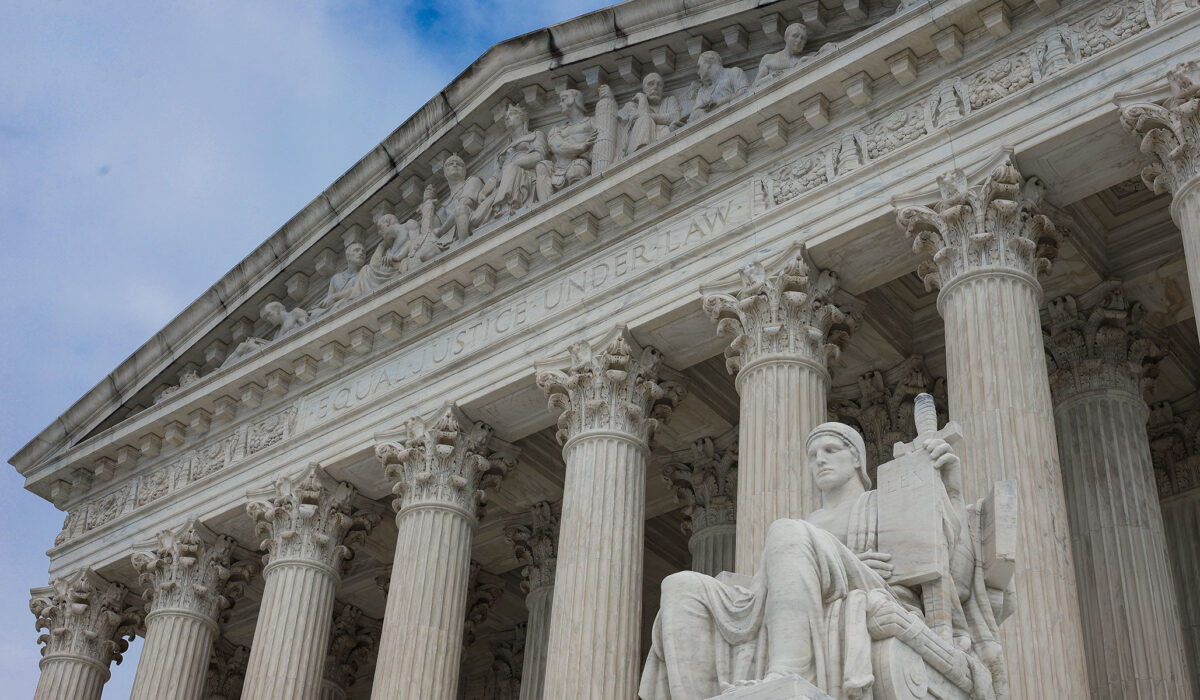
What a Colorado Case Could Mean for Religion in America
What the Court does with a newly accepted case out of Colorado will shape the place of religion in American life for years to come. At stake is more than one dispute between a citizen and a state government. The outcome will set a standard for how faith and public law interact across the country.
For many conservatives this is a moment to defend basic freedoms. Courts have long been the final arbiter when laws bump up against sincere religious practice. A ruling that strengthens religious liberty would restore clarity and predictability for churches, businesses, and individuals who want to live according to their beliefs.
Opponents argue for uniform application of state rules and paint religious claims as special pleading. That view risks letting government override conscience when religion is inconvenient. Republicans worry that approach treats faith like an optional lifestyle choice rather than a serious constitutional right.
The practical questions are straightforward. How far can states go in enforcing anti-discrimination rules before they trample religious exercise. Will the Court protect clergy, faith-based charities, and business owners who act from belief. Answers will affect adoption agencies, schools, wedding vendors, and everyday Americans.
History matters here because precedent is the map judges follow. Recent decisions have moved in both directions, sometimes shielding religion and sometimes narrowing protections. A robust majority that tilts toward the First Amendment could roll back lower court rulings that prioritized administrative convenience over conscience.
Conservative justices tend to read the Constitution as it was written and intended, and that perspective values liberty over regulatory reach. They are skeptical of laws that effectively coerce religious actors into silence or compliance. That judicial philosophy sees the free exercise clause as a backstop against majoritarian impulses.
Yet the Court must also avoid creating broad exemptions that swallow legitimate, neutral laws. The challenge is drawing lines that respect both religious freedom and the rights of others. A balanced ruling would protect sincere belief while leaving room for nonreligious rights where they are compelling and narrowly tailored.
The Colorado case will also speak to institutional religion, not just personal conviction. If the Court affirms a wide scope for conscience claims, churches and faith-based organizations will regain confidence to operate according to doctrine. Public life in many communities will feel more hospitable to religious nonprofits and businesses.
For voters and lawmakers this moment signals where the legal terrain is headed. State legislatures may revise statutes to avoid litigation, while activists on both sides will marshal public opinion. Republicans see an opportunity to enshrine stronger protections that keep government from micromanaging belief.
Beyond doctrine, there are real human stories behind the legal briefs. Clergy, small business owners, foster families, and religious schools face tangible consequences depending on how the Court frames rights and responsibilities. Courts that respect religious liberty recognize those real stakes.
The Supreme Court’s decision will not just resolve a Colorado dispute. It will send a message about whether public institutions can expect religion to be treated with the same dignity the Constitution promises. For conservatives, a ruling that reaffirms free exercise would be a welcome correction and a reaffirmation of constitutional limits on government power.