

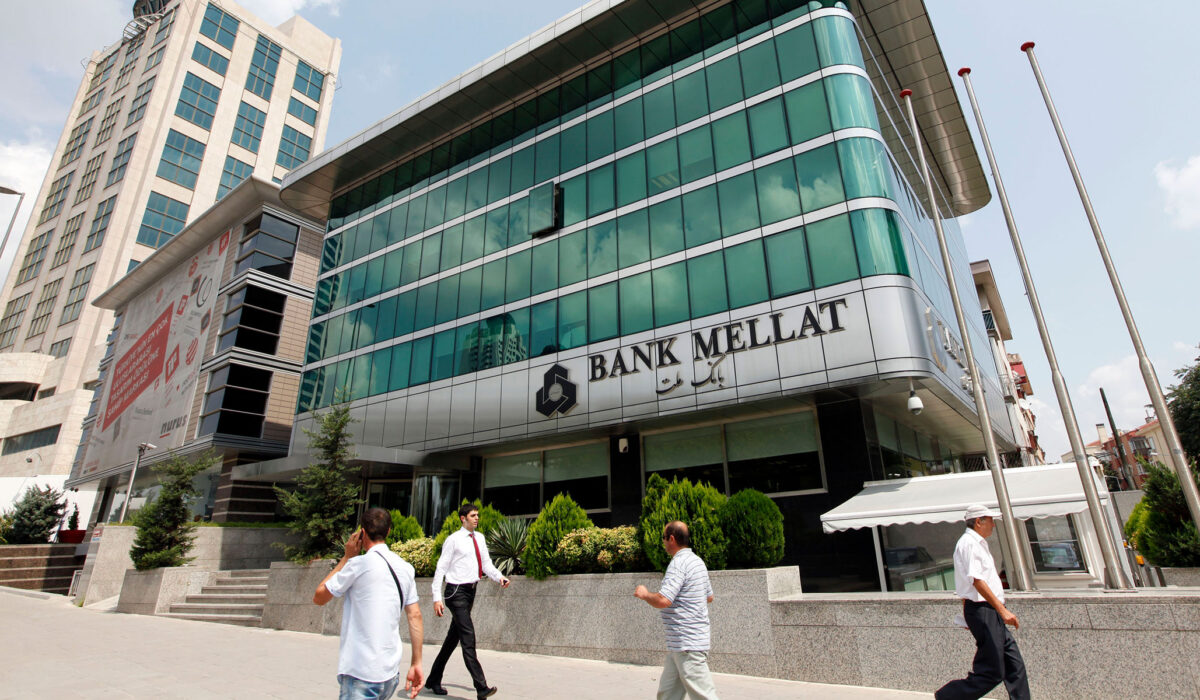
How the Regulatory and Commercial System Keeps Tehran in the Game
“The nation’s regulatory and commercial environment remains a critical conduit for Tehran.” That sentence cuts to the core of a problem too many in power treat like paperwork rather than a security breach. From a practical, Republican standpoint, this is about weak enforcement meeting determined adversaries.
Regulatory gaps create openings that hostile actors exploit through legal veneers and complex corporate structures. Shell companies, opaque ownership records and lax due diligence on beneficial owners let money and materials flow without a visible trail. When regulators tolerate complexity over clarity, adversaries win by hiding behind forms and consultants.
On the commercial side, ordinary trade channels and neutral-seeming businesses can become convenient covers. Firms trading in dual-use technologies or basic commodities sometimes end up supplying components for weapons or surveillance systems without anyone asking hard questions. The market logic that prizes speed and profit often beats the slower logic of national security checks.
Banks and financial services are pivotal, and compliance failures show up as missed red flags in transaction monitoring. Correspondent banking relationships and cross-border transfers can mask the true origin and destination of funds. When institutions accept minimal compliance as sufficient, Tehran gets the cash flows it needs to sustain malign programs.
Enforcement matters as much as rules. Weak penalties, lengthy investigations and political sensitivity around enforcement create an environment where risk is simply priced as a cost of doing business. Republicans point to this as a policy failure: rules without bite are theater, not policy.
Intelligence and financial oversight should be coordinated with sharper timelines and clearer public reporting. Better information sharing among agencies and with private sector partners reduces blind spots that adversaries exploit. Transparency on investigations and outcomes deters repeat behavior by raising the reputational cost of being the conduit.
Private sector actors have responsibility too, and that responsibility is not optional in a world where economic tools are national security tools. Banks, insurers and freight companies should treat enhanced due diligence not as paperwork but as a core risk management practice. Auditors and compliance officers need incentives that align with preventing harm, not simply avoiding regulatory fines.
The international picture complicates things, because Tehran leverages third-party jurisdictions and friendly intermediaries to route transactions and shipments. That creates pressure to harmonize standards and close loopholes that exist only because of jurisdiction shopping. From a Republican view, protecting American interests means insisting allies tighten their gates and eliminate easy avenues for evasion.
The risk is practical and present: when money and materials slip through regulatory cracks, the consequences show up in regional instability, terrorism financing and the erosion of deterrence. This is not an abstract policy debate; it is about the mechanics that allow a determined regime to keep programs running despite sanctions. Ignoring the mechanics because they are boring guarantees the threat will keep functioning.